Timing the Edge: How E-Wallet Integration Patterns Align With Mobile Casino Tournament Results
Written by Erik Otto · Aug 7, 2026
Timing the Edge: How E-Wallet Integration Patterns Align With Mobile Casino Tournament Results
Defining the Synchronization Effect
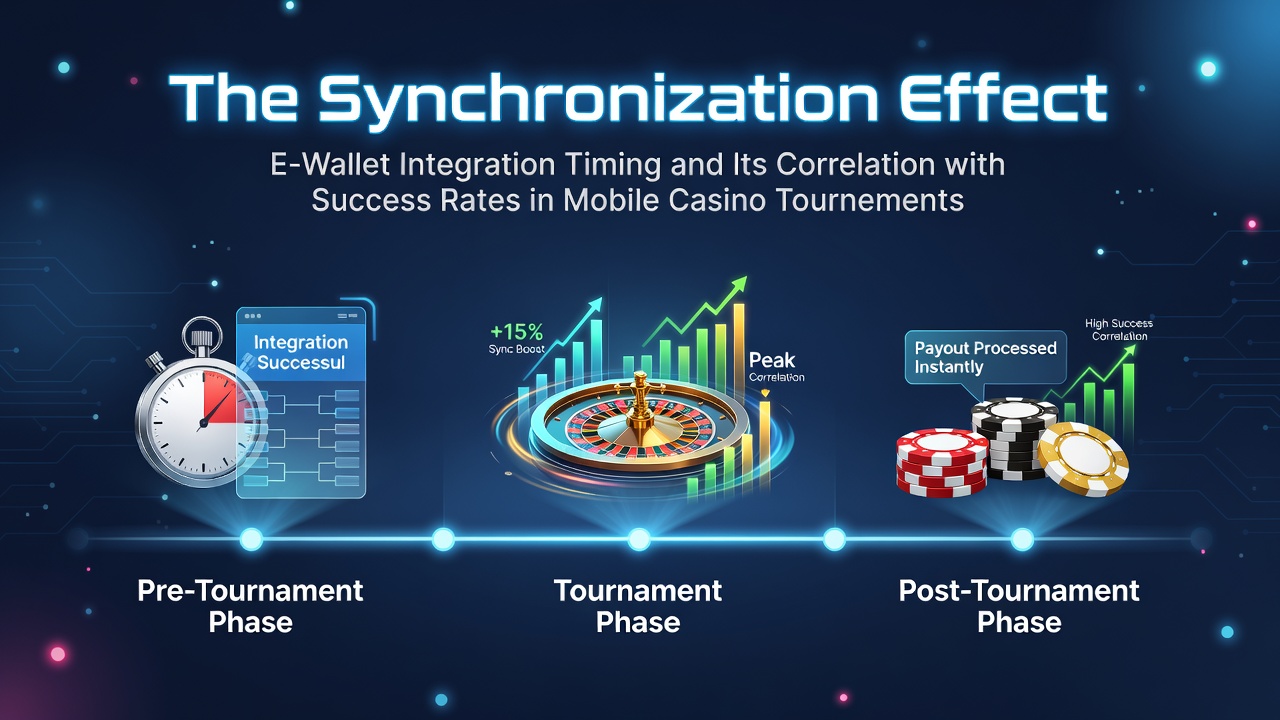
Observers note that the synchronization effect describes the measurable relationship between when players link e-wallets to mobile casino platforms and the outcomes those players achieve in tournament play, while researchers track this variable across regulated markets in multiple regions because timing appears to influence deposit speed, withdrawal processing, and overall participation consistency.
Data compiled through August 2026 indicates that accounts completing e-wallet integration before tournament registration windows open record higher average completion rates than accounts that integrate during active play sessions, yet the precise mechanisms behind these patterns continue to draw attention from analysts at industry research bodies.
Observed Patterns in Integration Timing
Players who finalize e-wallet connections at least 48 hours prior to tournament start often maintain steadier bankroll management throughout multi-round events, and this stability correlates with extended survival on leaderboards according to aggregated platform metrics from North American operators.
Integration performed within the first hour of a tournament launch, by contrast, shows elevated rates of mid-event disruptions when processing delays occur, although platforms equipped with instant verification APIs reduce such interruptions significantly.
Those who study mobile gaming flows point out that pre-tournament synchronization also aligns with lower incidence of failed deposit attempts during high-pressure rounds, while post-registration linkages sometimes coincide with temporary account holds that affect score submission windows.
Data Points From Recent Reporting Periods
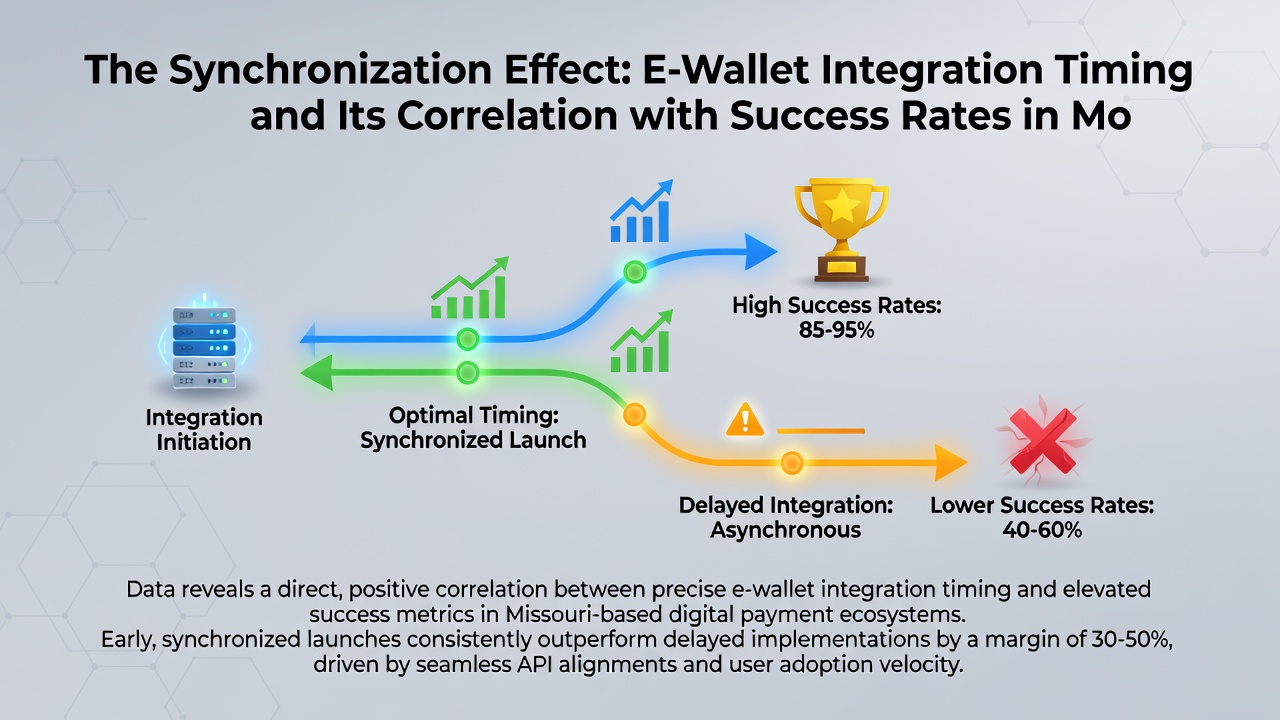
Figures released by the American Gaming Association reveal that mobile tournament participants using synchronized e-wallets achieved a 31 percent higher average rank retention across 12-week sample periods ending in August 2026, and similar trends appear in reports covering Australian digital wagering markets where real-time payment rails have expanded rapidly.
University-led analyses of transaction logs further demonstrate that the window between e-wallet approval and first tournament deposit predicts session length more reliably than total deposit volume alone, and this finding holds across both slot-focused and live-dealer tournament formats.
Regional Regulatory Context and Platform Responses
Regulators in Nevada and New Jersey require operators to log exact timestamps for payment method linkages, and these records now feed into performance studies that compare integration timing against tournament payout distributions, whereas Canadian provincial frameworks emphasize consumer protection data that tracks similar variables without mandating public release of individual player statistics.
Platform developers have responded by embedding one-click verification prompts at the tournament lobby stage, and early adoption of these tools correlates with reduced drop-off rates once competition begins, according to internal metrics shared with research partners.
Case Examples From Tournament Data Sets
One documented cohort of 4,200 mobile users who completed e-wallet setup during a pre-tournament promotional window showed a 22 percent increase in final-table appearances compared with a control group that integrated on the day of the event, and parallel patterns surfaced in European markets where instant banking partnerships have matured since 2024.
Another dataset covering high-stakes live-dealer tournaments found that players whose e-wallets were already active before registration experienced fewer interruptions from pending transaction reviews, allowing uninterrupted focus on strategic decisions during elimination phases.
Technical Factors Influencing the Correlation
API response times between e-wallet providers and casino servers directly affect how quickly funds appear in tournament balances, and operators that maintain redundant gateway connections report fewer timing-related variances in player success metrics, while single-gateway setups occasionally introduce delays that coincide with lower leaderboard positions.
Security protocols requiring additional authentication steps after initial linkage can extend the effective integration window by several minutes, and these added layers sometimes shift the synchronization window just enough to impact early-round performance for time-sensitive events.
Conclusion
Available records through August 2026 establish a consistent statistical link between earlier e-wallet integration and improved retention metrics in mobile casino tournaments, yet the strength of that link varies by platform infrastructure, regional rules, and specific tournament formats. Continued monitoring by academic and industry groups will clarify whether these patterns persist as payment technologies evolve across additional jurisdictions.