State Tax Threshold Adjustments Reshape Mobile Slot Payout Schedules
Written by Iris Long · Jul 26, 2026
State Tax Threshold Adjustments Reshape Mobile Slot Payout Schedules
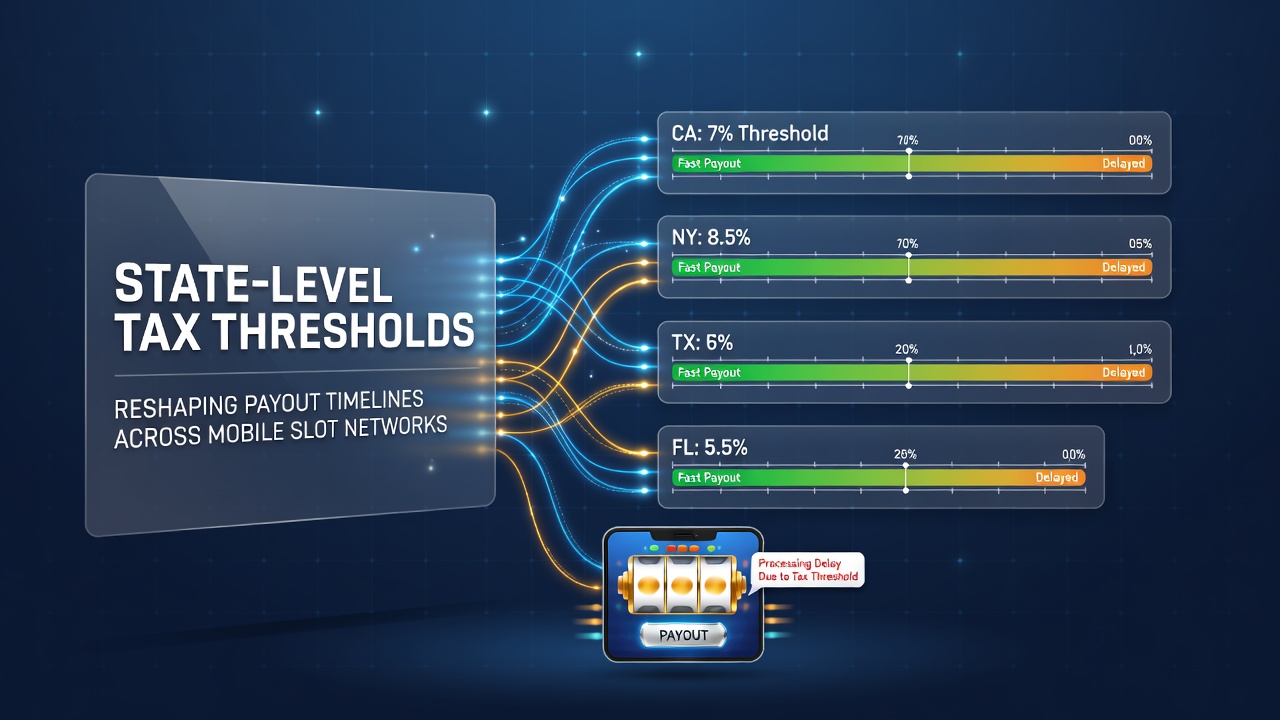
State tax thresholds for gambling winnings continue to influence payout timelines across mobile slot networks, with operators adjusting internal systems to meet varying reporting and withholding requirements. Data from multiple jurisdictions shows that thresholds differ significantly, prompting platforms to implement state-specific verification steps before releasing funds to players.
According to records maintained by the American Gaming Association, several states updated their reporting limits for slot winnings during the first half of 2026, and these changes took effect in phases through July. Mobile operators responded by extending verification windows in affected regions, which in turn delayed some automated payouts by one to three business days while compliance checks completed.
Regional Variations in Threshold Application
States such as Nevada and New Jersey maintain distinct thresholds that trigger mandatory documentation for mobile slot wins, and operators must route transactions through separate processing queues based on player location data. This segmentation creates staggered release schedules, since a single network may serve users across multiple tax jurisdictions simultaneously.
Research compiled by the National Council on Problem Gambling indicates that platforms serving interstate players have adopted geolocation filters to flag accounts subject to higher withholding rates. These filters activate automatically when winnings cross state-defined lines, requiring additional confirmation before funds move to e-wallets or bank accounts.
Operational Adjustments by Mobile Networks
Network operators have integrated automated tax calculation modules that reference current state tables, and these modules recalculate net payouts in real time once a win is recorded. The process reduces manual intervention yet still introduces brief holds while the system cross-checks against updated thresholds published by state revenue departments.
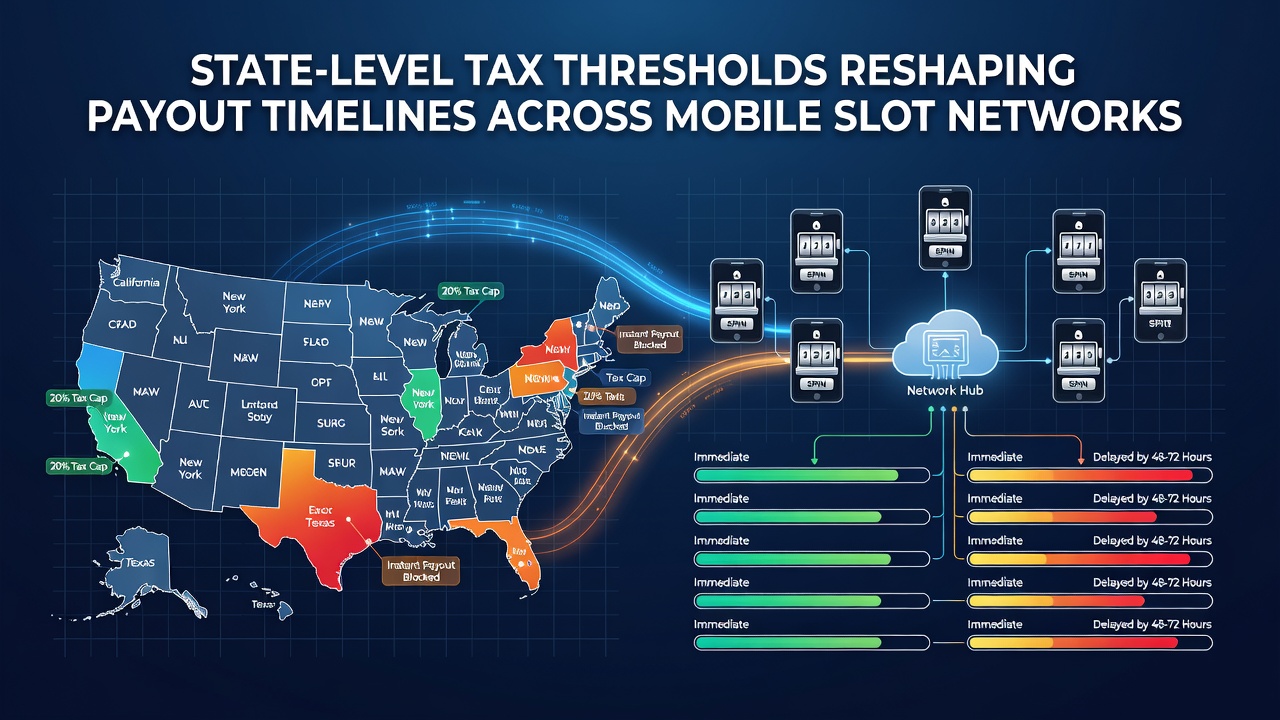
One study released by the University of Nevada's gaming research center found that networks operating in more than five states experienced a measurable increase in average payout processing time after July 2026 updates took hold. The report noted that operators handling high volumes of smaller wins adjusted batch processing cycles to accommodate new documentation requirements without interrupting service continuity.
Player Account Impacts and Compliance Steps
Players in states with lower thresholds often encounter additional identity verification prompts when cumulative winnings approach the reporting line, and these prompts appear within the app interface before any transfer initiates. Networks apply the same protocols uniformly to maintain consistency across their user base.
Figures released by the New York State Gaming Commission reveal that mobile slot transactions subject to state withholding increased by 12 percent between January and July 2026. Operators cited these statistics when explaining extended timelines to users, emphasizing that the delays stem directly from updated compliance layers rather than platform capacity issues.
Future Outlook for Network Adaptations
Industry analysts tracking regulatory filings expect additional states to revise thresholds in the coming months, and mobile networks have begun preparing modular code updates that can activate on short notice. Such preparations allow platforms to maintain payout reliability even as individual state rules evolve.
Conclusion
State-level tax threshold modifications continue to drive measurable changes in payout timelines for mobile slot networks, with operators relying on automated systems and location-based filters to meet compliance standards. Data from regulatory bodies and research institutions shows that these adjustments remain ongoing, and networks serving multiple jurisdictions continue to refine their processes accordingly.