Secure Payment Networks Reshape US Mobile Live Dealer Gaming Sessions in 2026
Written by Iris Long · Jul 10, 2026
Secure Payment Networks Reshape US Mobile Live Dealer Gaming Sessions in 2026
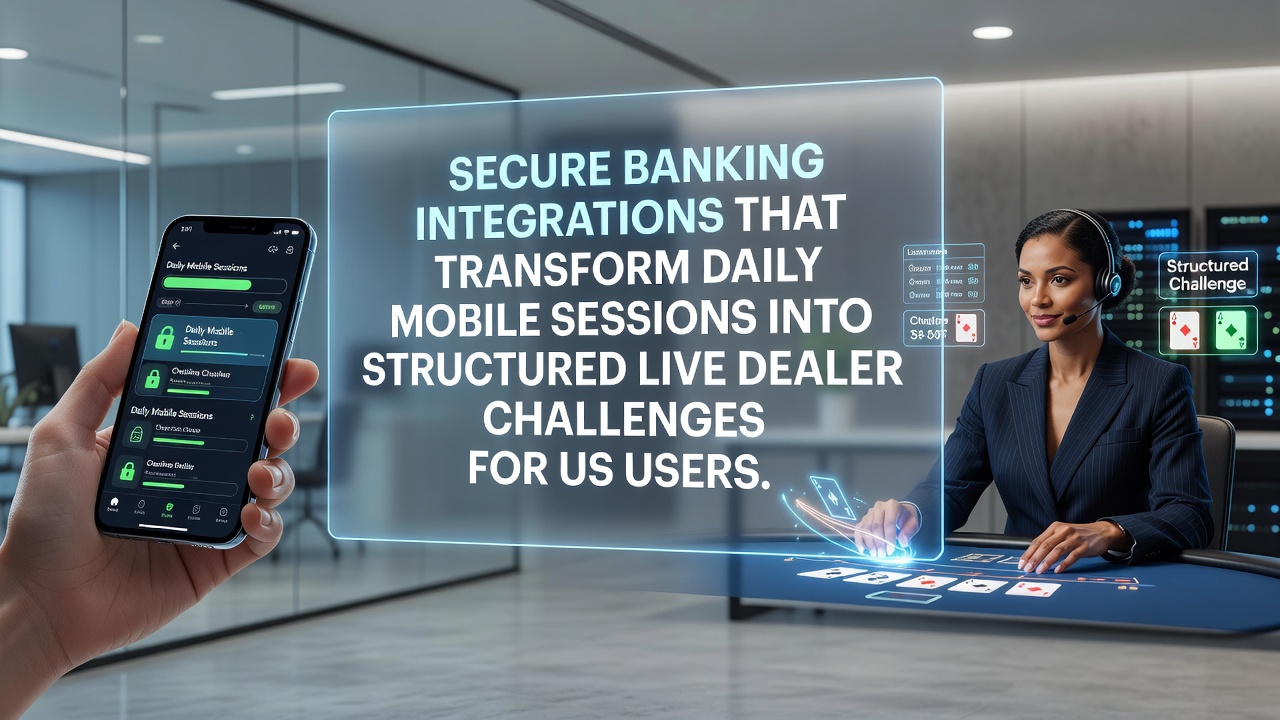
Data from state regulators shows that secure banking integrations now connect daily mobile sessions directly to structured live dealer challenges across multiple US jurisdictions, and these systems use advanced encryption protocols alongside real-time verification to maintain transaction integrity while users transition between casual play and competitive table environments. Observers note that platforms operating in New Jersey, Pennsylvania, and Michigan have adopted multi-factor authentication methods that reduce processing delays to under three seconds, allowing players to fund accounts and enter live dealer formats without interrupting their mobile routines.
Financial institutions partner with licensed operators to embed API-driven payment gateways that support instant deposits and withdrawals, and these integrations rely on tokenization techniques which replace sensitive card details with unique identifiers that prevent data exposure during each session. Research indicates that adoption rates for such systems climbed steadily through early 2026, with figures from the American Gaming Association revealing that over 68 percent of mobile transactions in regulated markets now route through these secure channels rather than traditional card processors.
Technical Framework Behind Mobile Transitions
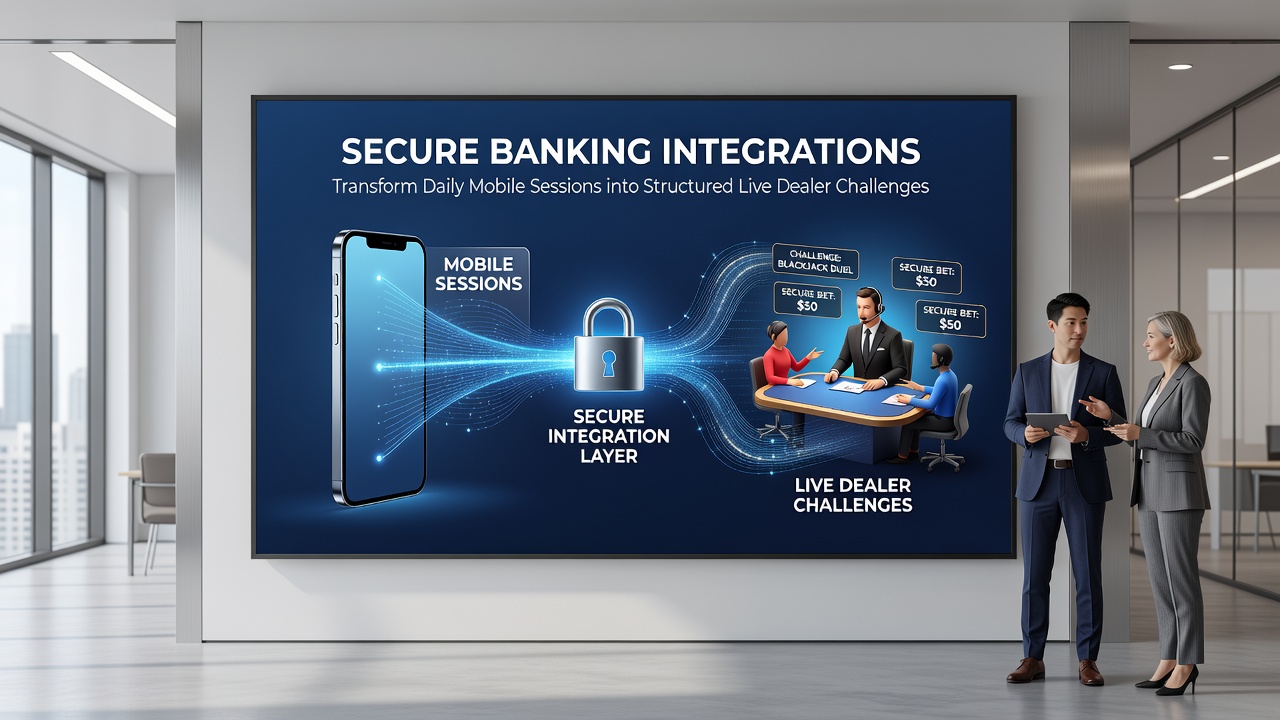
Banking partners deploy layered security measures including biometric verification and behavioral analytics that monitor session patterns in real time, and these tools flag anomalies before they affect live dealer participation. Developers structure the flow so that a standard mobile session can escalate into a scheduled challenge round where players compete at blackjack or roulette tables against live hosts, and the payment layer handles entry fees or side bets seamlessly within the same application window.
State gaming boards in Nevada and Delaware require operators to maintain separate ledgers for each transaction type, which ensures that funds allocated for live dealer challenges remain isolated from casual slot activity. Engineers achieve this separation through compartmentalized wallet architectures that update balances across cloud servers every few milliseconds, and users experience no visible lag when moving from one game type to another.
Regulatory Developments in Mid-2026
Updates rolled out in July 2026 by several state commissions introduced standardized reporting requirements for integrated banking systems, and these rules mandate quarterly audits of encryption standards plus continuous monitoring of cross-border transaction attempts. Operators must now submit detailed logs that track how mobile sessions convert into live dealer events, and compliance teams use automated dashboards to generate the necessary documentation without manual intervention.
Industry reports from the National Council on Problem Gambling highlight that these secure frameworks also incorporate responsible gaming tools such as session timers and spending caps that activate automatically once a player enters a structured challenge. Data shows that voluntary limit-setting features see higher engagement rates when embedded directly into the banking interface rather than presented as separate pop-ups.
Player Experience and Session Flow
Users begin a typical mobile session by logging into an app that already holds verified banking credentials, and the system then presents options to join either quick-play modes or scheduled live dealer challenges that require pre-funded entries. Once a player selects a challenge, the payment gateway processes the stake in the background while the video stream loads, and this parallel processing keeps the entire sequence under ten seconds from decision to table entry.
Case examples from Michigan operators demonstrate that players who complete at least three casual sessions per week show increased participation in structured challenges once the banking integration removes friction around deposits. Analytics platforms record these patterns through anonymized data sets that operators share with academic researchers studying mobile engagement trends.
Security Standards and Industry Collaboration
Payment networks align with PCI DSS Level 1 requirements and add proprietary monitoring layers that detect unusual withdrawal patterns before they reach live dealer environments. Collaboration between banks and gaming software providers has produced unified APIs that support both traditional debit rails and emerging digital wallet options, and these connections allow users in different states to access consistent functionality regardless of local licensing variations.
Figures released by the University of Nevada's gaming research center indicate that fraud incidents tied to mobile casino transactions dropped 41 percent between 2024 and 2026 in markets with mature banking integrations. The reduction stems from real-time risk scoring models that evaluate device fingerprints alongside transaction history before authorizing any movement of funds into challenge rounds.
Future Outlook for Integrated Systems
Continued refinement of these secure frameworks points toward broader adoption of instant settlement protocols that clear live dealer winnings directly back to user bank accounts within the same mobile session. State regulators continue to evaluate pilot programs that test blockchain-based verification layers while maintaining existing consumer protection standards, and early results suggest improved audit trails without compromising transaction speed.
Operators report that the combination of robust banking security and structured live dealer formats has expanded the overall addressable market in legal US states, with daily active users increasing as casual mobile players discover seamless pathways into competitive table environments. These developments remain grounded in the technical and regulatory infrastructure already operating across multiple jurisdictions.
Conclusion
Secure banking integrations continue to serve as the foundation that converts routine mobile sessions into structured live dealer challenges for US users, and the systems rely on encryption, verification protocols, and regulatory oversight that together maintain both speed and safety. Data from multiple state sources and industry organizations confirms steady growth in adoption alongside measurable reductions in transaction-related incidents through mid-2026.