Regulatory Divergence Among States Reshapes Mobile Poker Tactics for Players in 2026
Written by Erik Otto · Aug 5, 2026
Regulatory Divergence Among States Reshapes Mobile Poker Tactics for Players in 2026
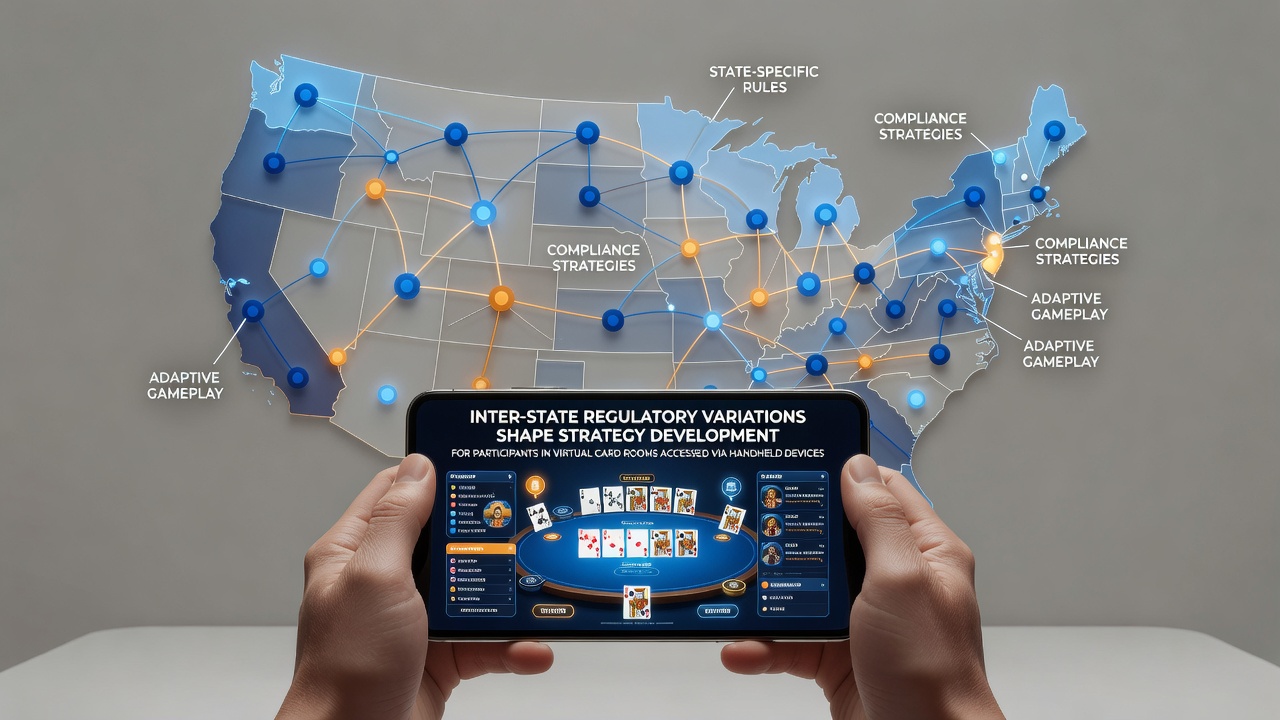
State-level differences in licensing requirements, player pool structures, and tax obligations continue to influence how participants approach virtual card rooms on handheld devices, and these variations have prompted measurable shifts in game selection and bankroll allocation as of August 2026. Observers note that operators must maintain separate compliance frameworks for each jurisdiction while players adjust their session planning to account for differing rake caps, minimum age thresholds, and permitted game formats.
State Licensing Structures Create Distinct Operational Environments
New Jersey maintains a closed-pool model that restricts interstate compacts, whereas Pennsylvania permits multi-state player sharing under specific agreements, and Michigan enforces strict geofencing protocols that limit session continuity for travelers crossing state lines. These frameworks require participants to verify location status repeatedly during mobile sessions, and data from industry reports show that players frequently switch between applications or adjust stake levels to match the regulatory limits of their current physical location. Research from the University of Nevada Reno indicates that such transitions occur most often during evening hours when cross-border commuting peaks.
Tax treatment also varies, with some states applying higher withholding rates on winnings above certain thresholds while others allow deductions for losses within the same tax year. Participants therefore track session results more meticulously on mobile interfaces that integrate basic accounting tools, and those adjustments have become standard practice for anyone maintaining balances across multiple regulated platforms.
Game Format Availability Influences Session Planning
Texas hold'em cash games dominate in states with mature regulatory systems, yet several jurisdictions still restrict pot-limit Omaha or mixed-game offerings to licensed brick-and-mortar partners only. Mobile users respond by prioritizing formats that appear consistently across their permitted states, and they often preload strategy notes or hand-history reviews during periods when access to preferred variants is blocked. Handheld device interfaces have added quick-filter menus that highlight available game types based on detected location, reducing the time spent navigating restricted lobbies.

According to figures compiled by the American Gaming Association, average session length on mobile poker applications dropped by eight percent in states that introduced new stake caps during the first half of 2026, while session frequency rose in neighboring states without those limits. Players therefore monitor regulatory announcements closely and adjust deposit schedules to exploit periods when one jurisdiction offers higher table limits than another.
Compliance Tools and Geolocation Requirements Shape Daily Routines
Geolocation verification occurs at login and at random intervals during play, and participants have incorporated these checks into their pre-session checklists alongside bankroll reviews. Several applications now display a compliance status bar that updates in real time, allowing users to anticipate potential interruptions when signal strength fluctuates near state borders. Those who travel regularly maintain separate device profiles calibrated to each state's approved networks, and this practice reduces the frequency of forced logouts during active hands.
Training resources have adapted as well, with third-party strategy sites offering jurisdiction-specific modules that outline differences in blind structures and ante rules. Participants access these modules through mobile browsers while commuting, and they report allocating additional study time to states where they anticipate spending extended periods. The approach mirrors patterns seen in earlier years when regulatory changes first expanded legal online poker beyond Nevada and New Jersey.
Future Regulatory Updates and Participant Adaptation
Pending legislation in additional states could further fragment the available player pools or introduce new age-verification standards by the end of 2026, and observers expect mobile operators to respond with enhanced account management features that store jurisdiction preferences. Participants who already maintain detailed records of their play across borders stand to integrate these tools quickly, whereas those who treat each state as an isolated environment may face steeper adjustment periods when rules shift again.
Conclusion
Interstate regulatory variations continue to require ongoing tactical adjustments from participants in virtual card rooms accessed via handheld devices, and the patterns observed through August 2026 demonstrate that location-aware planning, format selection, and compliance monitoring have become integral to sustained engagement. Data released by state gaming agencies and academic research centers show measurable differences in play volume and session structure tied directly to these jurisdictional distinctions, and the trend shows no sign of convergence in the near term.