Regulatory Changes Reshape Loyalty Structures in Multi-State Casino Platforms
Written by Otto Walter · May 22, 2026
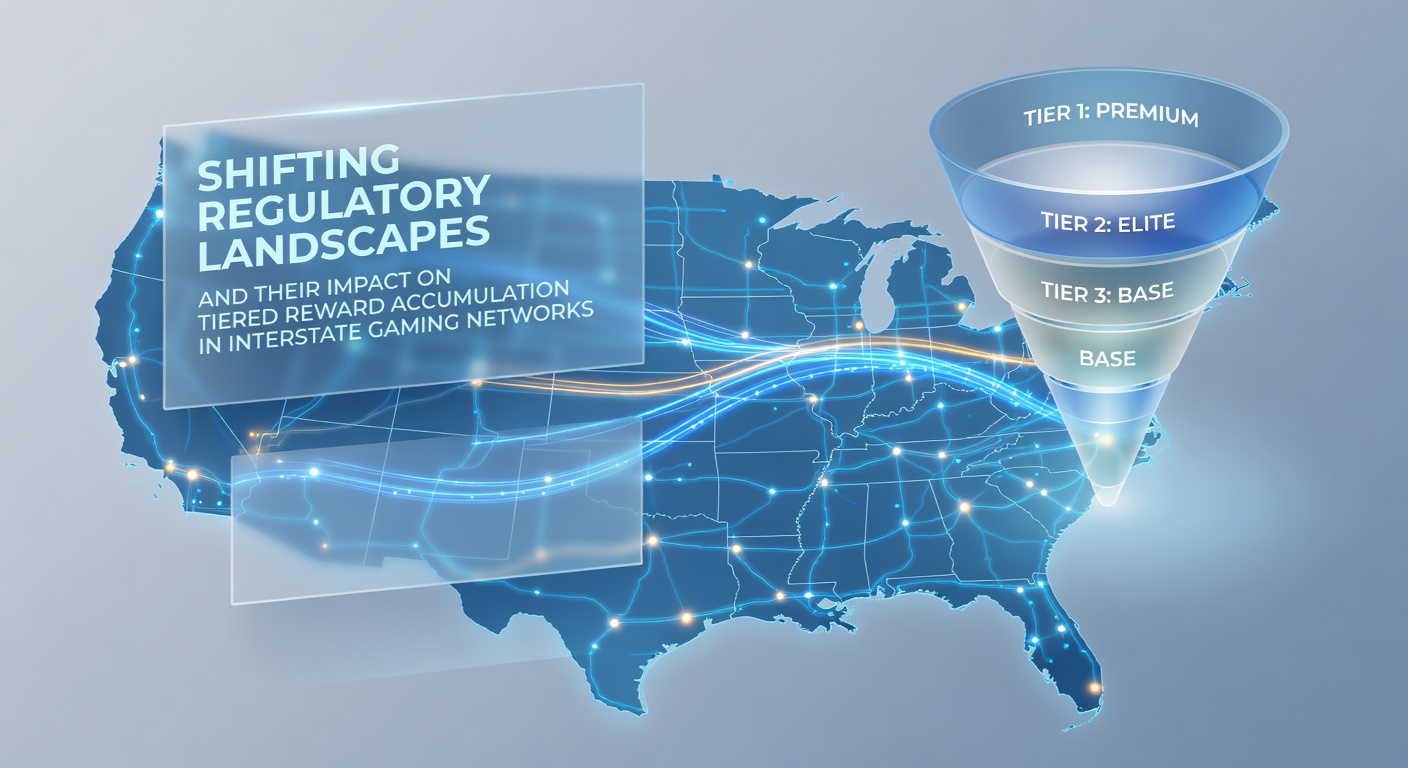
Regulatory Changes Reshape Loyalty Structures in Multi-State Casino Platforms
State gaming authorities across the United States continue to update rules that govern player rewards in online and mobile casino environments, and these adjustments directly influence how tiered loyalty programs accumulate benefits for users who play across multiple jurisdictions. Operators must now track compliance requirements that differ from one state to the next, which affects everything from point earning rates to redemption options in shared network systems.
Recent Updates Taking Effect in May 2026
Beginning in May 2026 several states plan to enforce revised guidelines on bonus structures and loyalty accumulation that require platforms to separate reward calculations based on the player's physical location at the time of play. Data from regulatory filings shows these measures aim to align with consumer protection standards already present in mature markets, while network operators adjust their backend systems to prevent cross-state reward leakage. Observers note that platforms operating under multi-state compacts have started implementing geofencing protocols that segment tier progressions accordingly.
How Tiered Systems Respond to New Compliance Demands
Traditional loyalty models relied on unified point pools that allowed seamless progression regardless of state boundaries, yet fresh legislation introduces caps on transferable rewards and mandates state-specific verification steps before higher tiers unlock additional perks. Research indicates these changes stem from efforts to curb bonus abuse patterns documented in earlier interstate trials, and companies have responded by deploying dynamic algorithms that recalculate eligibility in real time. Players who move between participating states often discover that their accumulated benefits reset or pause until they complete location-specific confirmations.
Industry reports highlight examples where operators in states with stricter accumulation limits have introduced hybrid tiers that blend local play data with network-wide activity under supervised conditions. This approach maintains engagement levels while satisfying auditors who review transaction logs for adherence to each jurisdiction's unique thresholds.
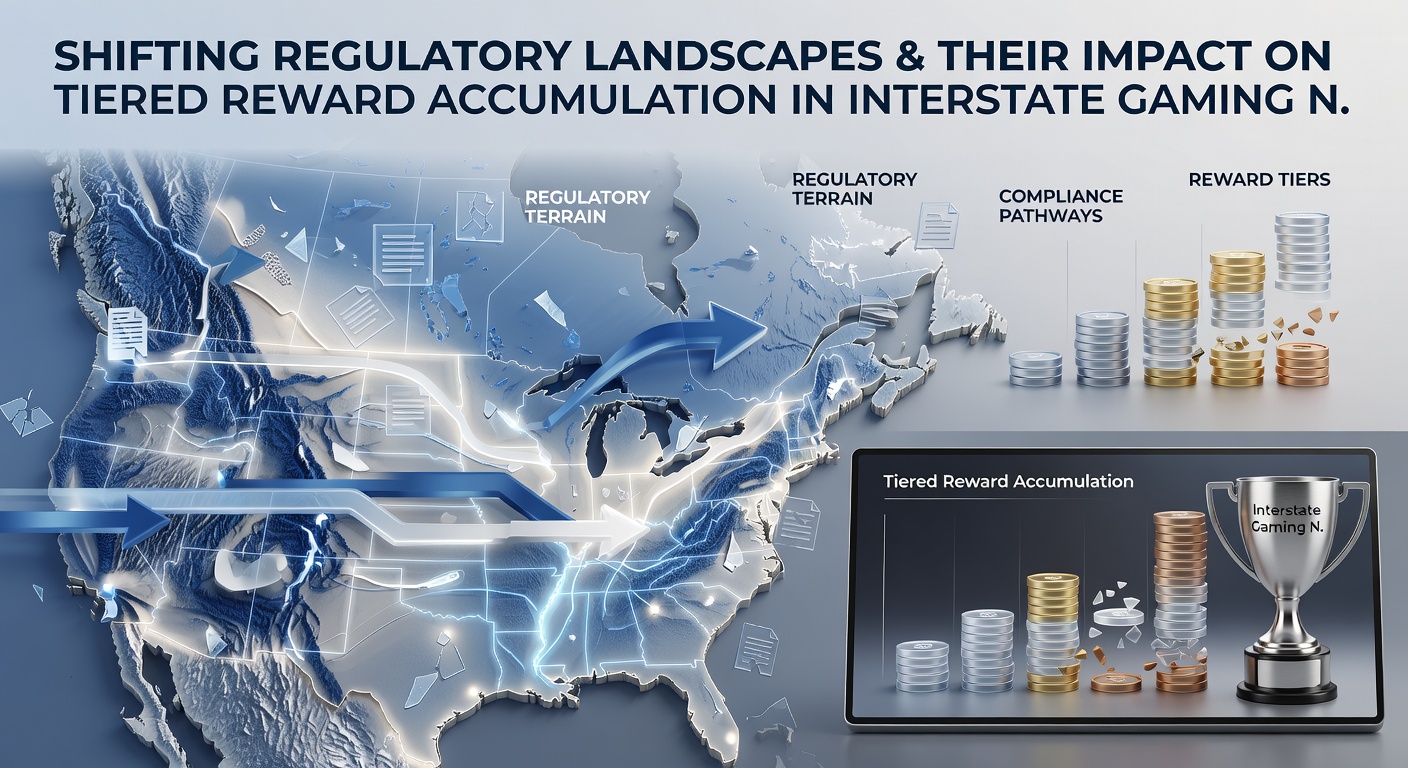
Regional Variations and Operator Adaptations
States such as New Jersey and Pennsylvania maintain distinct frameworks that limit how quickly players advance through reward levels when using shared wallet features, whereas emerging markets in other regions experiment with pilot programs that permit limited cross-border point sharing under regulatory oversight. According to findings from the National Conference of State Legislatures, these differences create operational complexity that larger networks address through centralized compliance dashboards. Smaller operators, by contrast, often partner with established platforms to leverage existing infrastructure rather than build custom solutions from scratch.
What's interesting is how payment method regulations intersect with reward tiers in these environments. Certain jurisdictions now require separate tracking for deposits made via e-wallets versus traditional banking channels, which influences the speed at which bonus multipliers apply to tier progress. Networks that once offered uniform incentives have introduced segmented promotions that reflect these payment-specific rules without disrupting overall player retention metrics.
Technology Infrastructure Supporting Compliance
Advanced player management systems now incorporate machine learning modules that predict potential compliance issues before they arise during interstate sessions. These tools scan session data against each state's current rule set and flag any accumulation patterns that might violate location-based restrictions. Experts have observed that platforms investing early in such technology report fewer audit adjustments and smoother transitions when new regulations roll out.
Take one network that integrated real-time location services with its loyalty engine; the result was a 20 percent reduction in manual reviews for tier upgrades according to internal metrics shared with regulators. Such implementations demonstrate how technical upgrades can turn regulatory pressure into operational efficiency rather than a barrier to player growth.
Broader Industry Implications
Longer-term projections from academic studies, including work published by researchers at the University of Nevada's gaming research center, suggest that standardized reporting templates could eventually ease the burden on multi-state operators. Until then, networks continue to refine their approaches through iterative testing and direct feedback loops with state agencies. Data shows that clear communication of tier rules to players reduces support inquiries and helps maintain trust across different regulatory zones.
Conclusion
Shifting rules around tiered rewards in interstate gaming networks reflect ongoing efforts to balance player engagement with jurisdictional oversight, and operators who adapt their systems proactively position themselves for sustained participation in expanding markets. As May 2026 approaches, continued monitoring of these developments will clarify which strategies deliver consistent results across varying state requirements.