Regional Licensing Frameworks Guide Fluid Movement Between Slot Collections and Live Dealer Options on Mobile Devices
Written by Anna Baumann · Jun 24, 2026
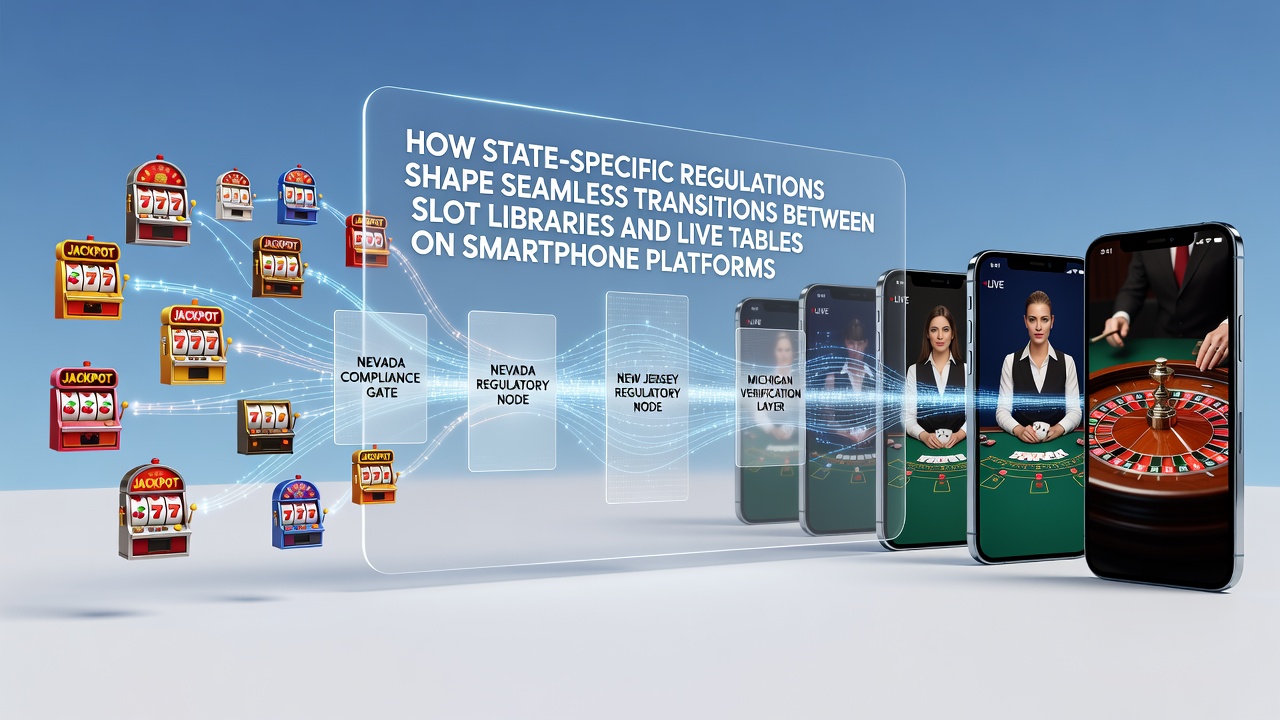
Regional Licensing Frameworks Guide Fluid Movement Between Slot Collections and Live Dealer Options on Mobile Devices
State gaming authorities establish distinct licensing conditions that determine which slot titles and live table offerings operators may present to smartphone users within their borders. These frameworks require platforms to maintain separate game libraries while supporting uninterrupted switches between virtual reels and real-time dealer interactions, and data from multiple jurisdictions shows how compliance mechanisms enable such continuity without violating location-based restrictions. Operators integrate geofencing protocols calibrated to each state's boundaries, allowing users to move from approved slot libraries into live dealer environments as long as both categories satisfy the local gaming commission's certification standards. In New Jersey and Pennsylvania, for instance, regulators mandate real-time verification of game files before any transition occurs, which means apps embed automated checks that confirm regulatory approval for the incoming live table session while preserving the user's slot progress. Observers note that these technical layers remain invisible to players yet enforce the separation of content pools required by law.State-Level Approval Processes and Their Impact on App Architecture
Each jurisdiction maintains its own review pipeline for new slot mechanics and live dealer configurations, forcing developers to build modular systems that load only the permitted assets for the detected location. Research from the University of Nevada's gaming studies program indicates that platforms serving multiple states deploy dynamic content servers which swap entire feature sets when users cross regulatory lines, and this approach prevents unauthorized games from appearing during transitions.
Because live table streams carry additional surveillance requirements in states such as Michigan and West Virginia, the same smartphone session must authenticate dealer feeds separately from slot RNG outputs, and app designers accomplish this by routing both categories through a unified session manager that respects each regulator's data-retention rules.
Technical Standards Supporting Uninterrupted Play Across Categories
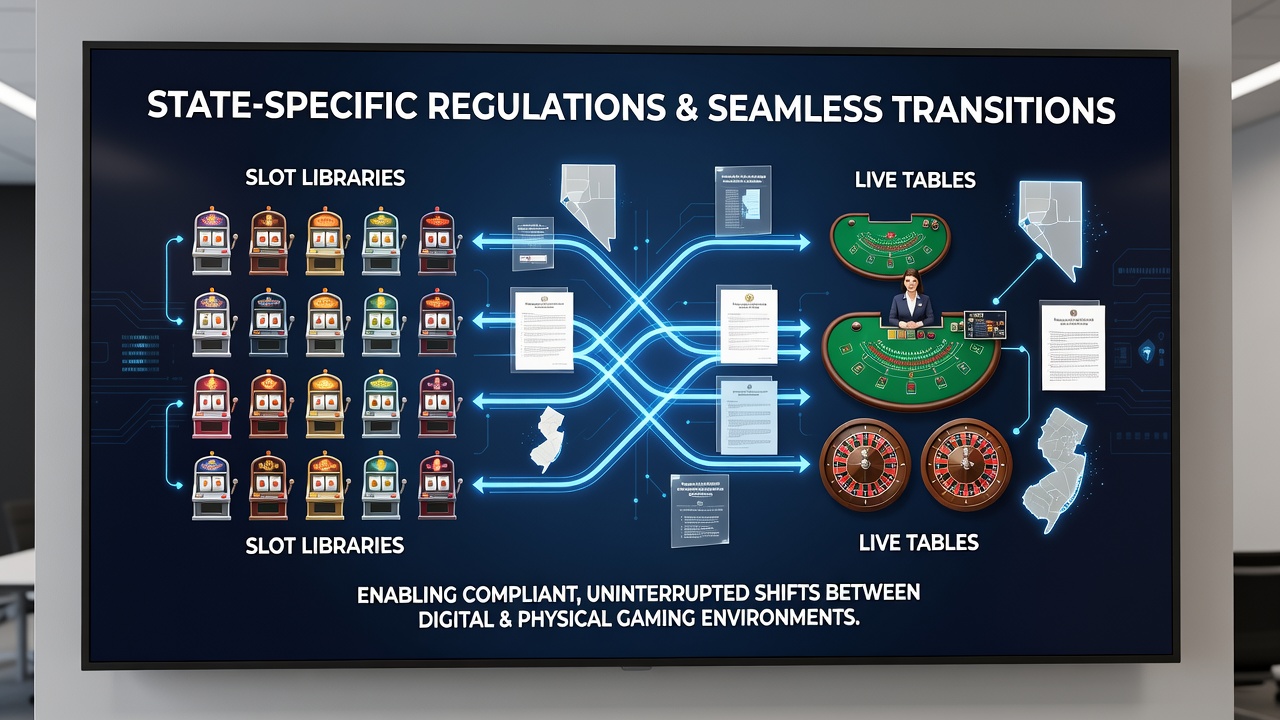
Smartphone operating systems and network conditions further interact with these regulatory overlays, since latency tolerances for live dealer video differ from the instant spin responses expected in slots. Platforms therefore preload lightweight table interfaces while users remain in slot libraries, and state rules in several markets require that such preloading occur only after the user has satisfied the jurisdiction's responsible gaming prompts.
Figures released by the American Gaming Association reveal that states updating their mobile standards ahead of June 2026 introduced stricter encryption layers for live streams, compelling operators to synchronize security certificates across both game types so that a single authentication event covers the entire switch. This synchronization reduces friction while still satisfying the distinct audit trails each commission demands.
Cross-Border User Experiences and Compliance Checkpoints
Users traveling between states encounter automatic library adjustments that preserve account balances and active bonuses, yet the underlying software must pause certain live table features until the new jurisdiction's approval matrix activates. Industry reports compiled by the National Council on Problem Gambling document how these checkpoint systems now incorporate behavioral indicators collected during slot sessions to trigger appropriate live table safeguards, and the data flows remain partitioned according to each state's privacy statutes.
Because some states cap the number of simultaneous live tables per user while others impose no such limit, apps embed configurable throttles that activate instantly upon location change, and operators test these throttles against both slot and table environments to confirm they do not interrupt ongoing play sequences.
Future Adjustments Scheduled for Mid-2026
Regulatory calendars indicate that several additional states will finalize mobile gaming rules effective June 2026, and these forthcoming standards emphasize unified reporting formats that combine slot and live table activity into single compliance exports. Developers are already preparing API endpoints capable of delivering such combined reports without requiring users to exit one category before entering the other.
What's notable is that the same infrastructure supporting seamless category switches also streamlines the audit processes regulators will apply once the new rules take effect.
Conclusion
State-specific regulations continue to define the boundaries within which smartphone platforms must operate, yet the resulting technical architecture increasingly allows fluid movement between slot libraries and live tables while preserving full compliance. Data collected across multiple jurisdictions demonstrates that these layered requirements, when implemented through modular design and real-time verification, produce consistent user experiences regardless of the regulatory patchwork users encounter. As additional states finalize their frameworks in 2026, the same principles of modular compliance are expected to guide further refinements in transition mechanics.