Mobile E-Wallet Adoption Reshapes Tournament Entries in Regulated US States
Written by Erik Otto · Jul 19, 2026
Mobile E-Wallet Adoption Reshapes Tournament Entries in Regulated US States
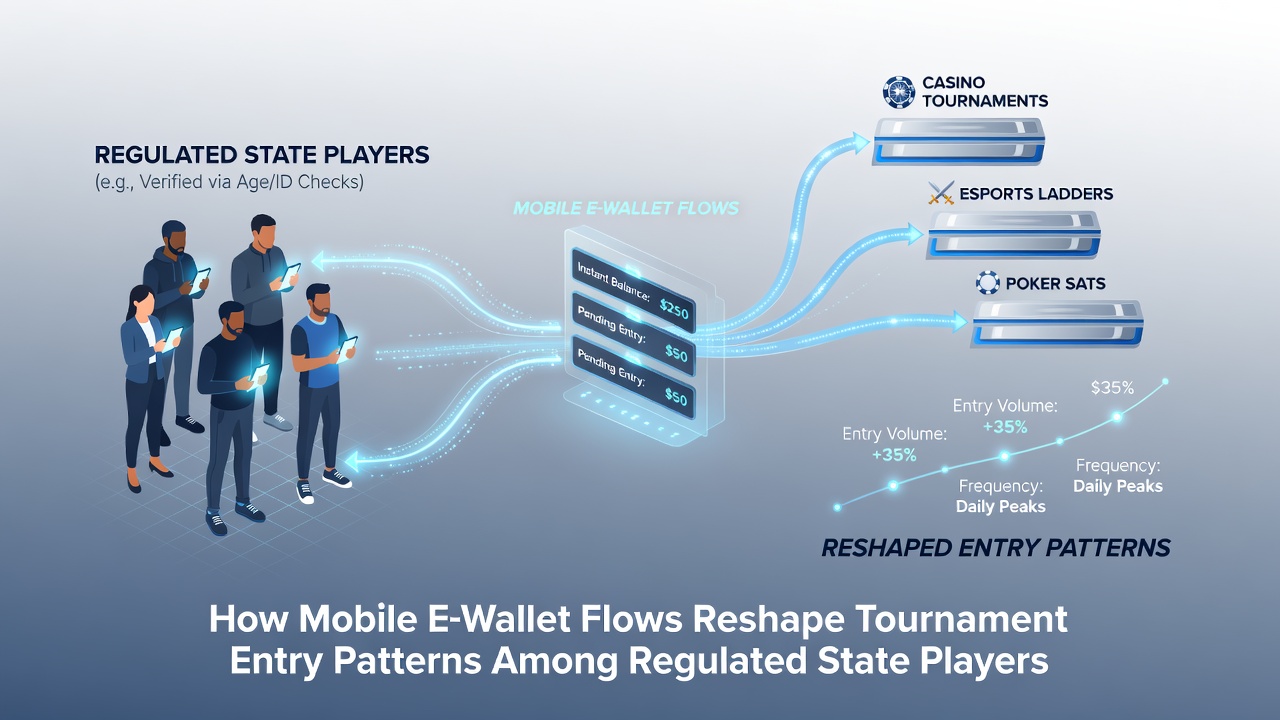
Regulated markets in states such as New Jersey, Pennsylvania and Michigan continue to record steady growth in mobile tournament participation, and transaction data shows that e-wallet flows account for an increasing share of entry fees processed through approved apps. Figures released by the New Jersey Division of Gaming Enforcement indicate that mobile deposits linked to digital wallets rose 31 percent year-over-year through the first half of 2026, with a noticeable concentration in slot and table-game tournament categories.
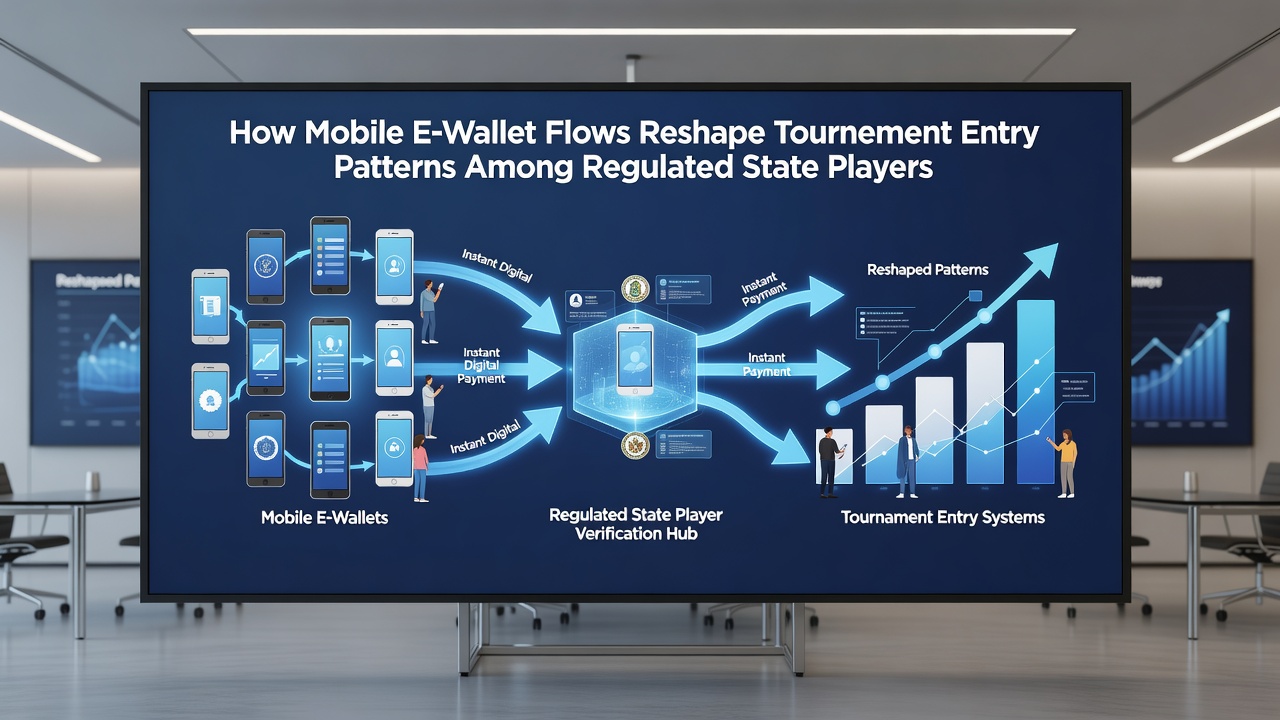
Payment speed appears central to the shift. Players who previously waited for bank transfers or card authorizations now complete entries in seconds once funds sit inside an approved wallet, allowing last-minute decisions that align with real-time leaderboards and late-registration windows. Industry reports compiled by the American Gaming Association document similar patterns across multiple jurisdictions, where average time from deposit to tournament seat selection has dropped below ninety seconds in e-wallet-enabled sessions.
Instant Funding and Entry Frequency
Data collected from platform operators reveals that participants using mobile wallets enter an average of 2.4 tournaments per active session, compared with 1.7 for those relying on traditional card or bank methods. The difference stems from reduced friction rather than changes in player budgets, because wallet balances remain visible and transferable without additional verification steps during active play windows. This pattern holds across both daily freerolls and higher-stake guaranteed events tracked through July 2026.
Observers note that micro-entries, defined as buy-ins under twenty-five dollars, show the steepest increase. Wallet users account for roughly 68 percent of these smaller registrations, enabling broader sampling of multiple events within a single evening. Platform analytics further indicate that repeat entries within the same hour rise when wallet settlement occurs instantly, a factor that does not appear when processing delays exceed two minutes.
Demographic and Regional Variations
State-level breakdowns highlight differences tied to wallet availability and age demographics. In Pennsylvania, where several major operators integrated Apple Pay and Google Pay directly into tournament lobbies during early 2025, the 25-to-34 age cohort increased its share of total entries by 14 percentage points. Michigan data, by contrast, shows stronger uptake among 35-to-44 users, coinciding with higher adoption rates of specific regional wallet services approved by the Michigan Gaming Control Board.
Geographic clustering also emerges inside individual states. Urban zip codes near major population centers register higher wallet-driven entry volumes, while rural players continue to rely more heavily on linked bank accounts. Researchers at the University of Nevada, Las Vegas Center for Gaming Research have begun mapping these location-based patterns against tournament prize pools to assess whether instant funding alters prize distribution across player segments.
Operator Adjustments and Compliance Measures
Operators have responded by adjusting tournament schedules and entry mechanics. Several platforms now release satellite events with rolling start times that accommodate wallet-funded late entries, while others cap the number of simultaneous registrations per account to maintain competitive balance. Compliance teams monitor these flows for unusual velocity patterns, yet regulators report that wallet transactions have not introduced new categories of suspicious activity beyond those already flagged under existing anti-money-laundering protocols.
Transaction logs supplied to state auditors show consistent use of the same wallet addresses across multiple sessions, suggesting players treat approved mobile wallets as primary gaming accounts rather than temporary funding tools. This behavior simplifies reconciliation for both operators and regulators, because each wallet maintains a clear audit trail back to verified funding sources.
Future Data Collection Priorities
State gaming agencies have begun requesting granular wallet-flow datasets from operators to refine future policy decisions. Items under review include average balance retention inside wallets, frequency of cross-state transfers where permitted, and correlation between wallet usage and session length. Preliminary findings presented at industry conferences in mid-2026 indicate that wallet-funded players maintain longer average session durations, although causation remains under study.
Conclusion
Wallet-driven entry patterns continue to evolve alongside regulatory updates and platform features. Available transaction records through July 2026 demonstrate measurable shifts in registration timing, entry volume and demographic participation across regulated jurisdictions. Continued monitoring by state agencies and academic researchers will determine whether these trends stabilize or accelerate as additional wallet options receive approval in coming quarters.