Live Dealer Options and Slot Volatility Patterns in Regulated US Mobile Markets
Written by Otto Walter · Aug 12, 2026
Live Dealer Options and Slot Volatility Patterns in Regulated US Mobile Markets
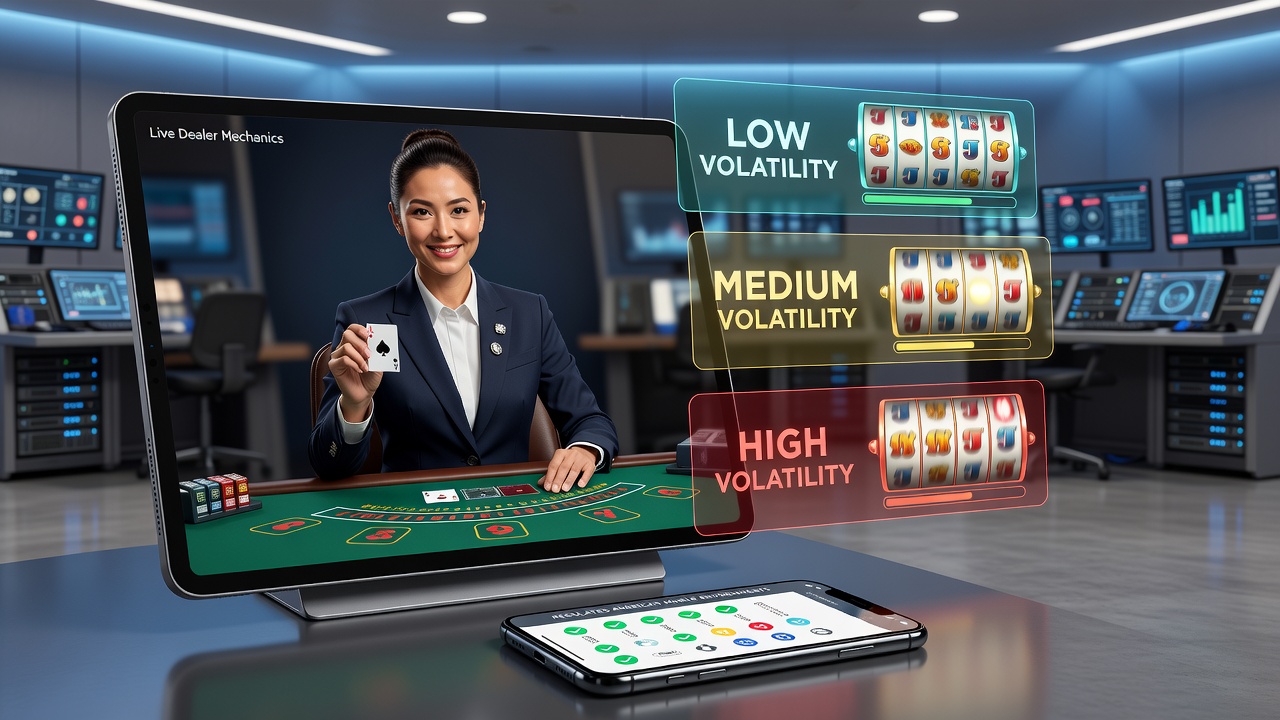
Regulated mobile gaming platforms in states such as New Jersey, Pennsylvania, and Michigan integrate live dealer tables with slot selections that span low, medium, and high volatility levels, and operators structure these offerings to align with player session preferences documented in state compliance reports. Live dealer streams deliver real-time table games including blackjack and roulette through dedicated apps, while slot libraries categorize titles by volatility metrics that determine payout frequency and size.
State Regulatory Frameworks Supporting Mobile Integration
American Gaming Association data from mid-2026 shows mobile handle growth across multiple jurisdictions, and platforms must maintain separate RNG certification for slots alongside live video feeds that meet technical standards set by bodies like the New Jersey Division of Gaming Enforcement. Operators in these markets present volatility information through game information screens, allowing users to filter selections while switching between live dealer rooms and slot lobbies within the same application.
Slot Volatility Categories and Player Selection Data
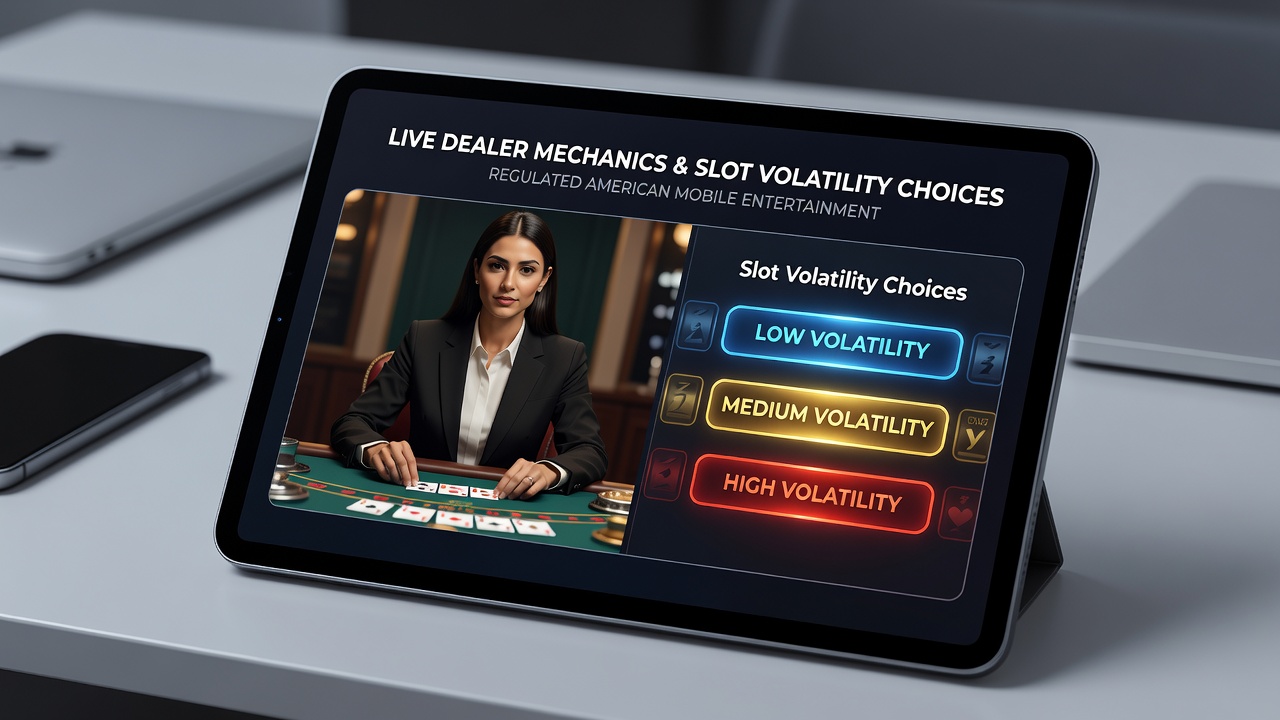
Low-volatility slots produce smaller wins at higher rates, medium-volatility titles balance frequency with occasional larger payouts, and high-volatility games deliver infrequent but substantial returns according to mathematical models verified during state licensing. August 2026 platform analytics from Michigan's regulated market indicated that users who spent time in live dealer blackjack sessions subsequently selected medium-volatility slots at elevated rates compared with those who began directly in the slot section.
Mechanics of Live Dealer Features in Mobile Apps
Live dealer implementations stream from controlled studios using multiple camera angles and chat interfaces that permit real-time interaction with dealers and other participants, and these elements run concurrently with slot autoplay functions in many applications. Mobile latency requirements enforced by state regulators ensure synchronization between video feeds and betting interfaces, which supports seamless transitions when players move from a roulette table to a slot game within the same account session.
Observed Patterns in Cross-Game Navigation
Research from the University of Nevada Las Vegas gaming studies program tracked session logs in Pennsylvania's mobile market and found that players often alternate between live dealer sessions and slots within single app openings, with volatility choice shifting after exposure to the slower pace of table games. Those who extended time at live blackjack tables tended to favor higher-volatility slots upon returning to the slot menu, whereas shorter live dealer engagements correlated with continued selection of lower-volatility options.
Technical and Compliance Considerations
Platform providers must submit volatility calculations and payout percentage reports to state regulators before offering titles, and live dealer software undergoes separate audits for fairness and stream integrity, which creates distinct compliance tracks that nonetheless operate within unified mobile applications. Payment processing systems handle wagers from both game types under the same account framework, and transaction records feed into responsible gaming tools that track overall activity across live and RNG products.
Market Data from Multiple Jurisdictions
Figures released by the Massachusetts Gaming Commission in 2026 revealed steady increases in mobile accounts accessing both live dealer and slot content, while similar trends appeared in reports covering New Jersey and Pennsylvania operations. These datasets track average session duration and game-type switching frequency, providing operators with metrics that inform how volatility filters appear alongside live dealer lobby entrances.
Conclusion
Regulated American mobile environments continue to present live dealer mechanics and slot volatility choices as complementary elements within single platforms, and state-level data collection supports ongoing examination of how users navigate between these categories. Compliance requirements maintain separation in technical certification while permitting integrated user experiences that reflect documented patterns in cross-game engagement.