Geographic Patterns in Free Play Promotions for Licensed Mobile Casino Applications
Written by Erik Otto · May 24, 2026
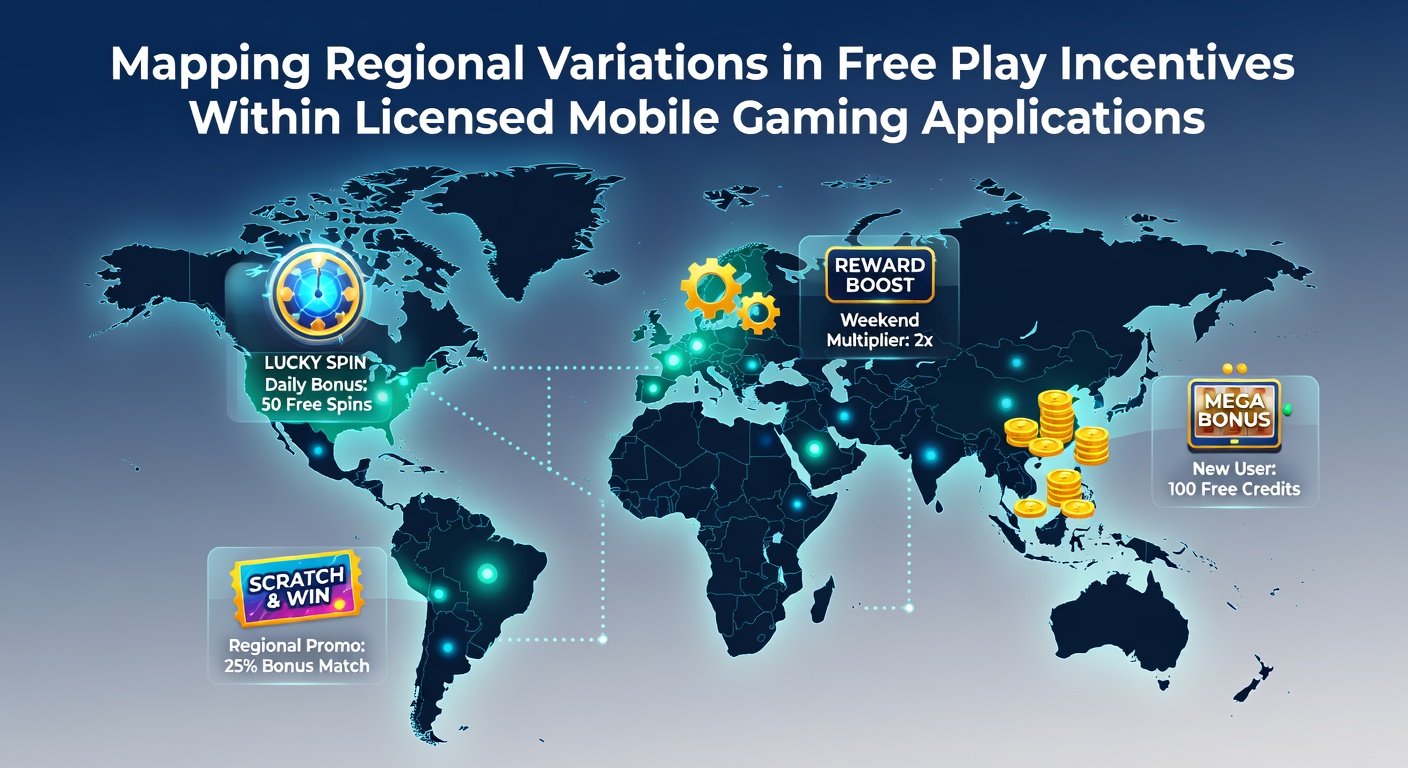
Geographic Patterns in Free Play Promotions for Licensed Mobile Casino Applications
Free play incentives in licensed mobile gaming applications show distinct geographic patterns that reflect local regulations and market conditions. Researchers have tracked how operators adjust no-deposit bonuses, free spins, and play credits based on jurisdiction requirements, creating measurable differences across regions.
Regulatory Frameworks Shape Incentive Structures
Data from multiple oversight bodies indicates that licensing rules directly influence the size and type of free play offers available to users. In North American markets, state-specific statutes often cap bonus amounts or require wagering thresholds that vary from one jurisdiction to another. Observers note that these caps lead to more modest initial rewards in stricter environments while allowing higher-value packages in states with lighter restrictions.
European operators face different constraints that affect how free play reaches players. Some countries mandate clear separation between deposit and non-deposit promotions, which results in standardized reward tiers across apps. Industry reports show that these rules produce more uniform offers within a single country yet create sharp contrasts when apps serve multiple nations under one license umbrella.
North American Market Differences
Across the United States and Canada, free play availability tracks closely with the pace of mobile gaming legalization. States that introduced regulated apps earlier tend to feature mature bonus ecosystems with layered rewards, whereas newer markets still operate under trial-period guidelines that limit promotional scale. Figures from regulatory filings reveal that average free spin packages in established jurisdictions run higher than those in recently opened ones, though both remain subject to daily and weekly caps.
Canadian provinces present another layer of variation. Ontario's framework permits broader no-deposit structures compared with other regions, leading apps to offer distinct credit bundles that users in neighboring areas cannot access. Studies released in May 2026 documented these provincial differences through aggregated app data, confirming that incentive values fluctuate by as much as thirty percent between provinces despite similar overall market maturity.
European and Asia-Pacific Contrasts
European markets demonstrate tighter clustering of free play values because many countries harmonize certain consumer protection standards. Apps licensed under multi-country frameworks therefore deliver comparable starter packages, though individual nations retain the right to impose additional caps. Researchers tracking these patterns found that cross-border users sometimes encounter automatic adjustments to their available incentives when the app detects location changes.
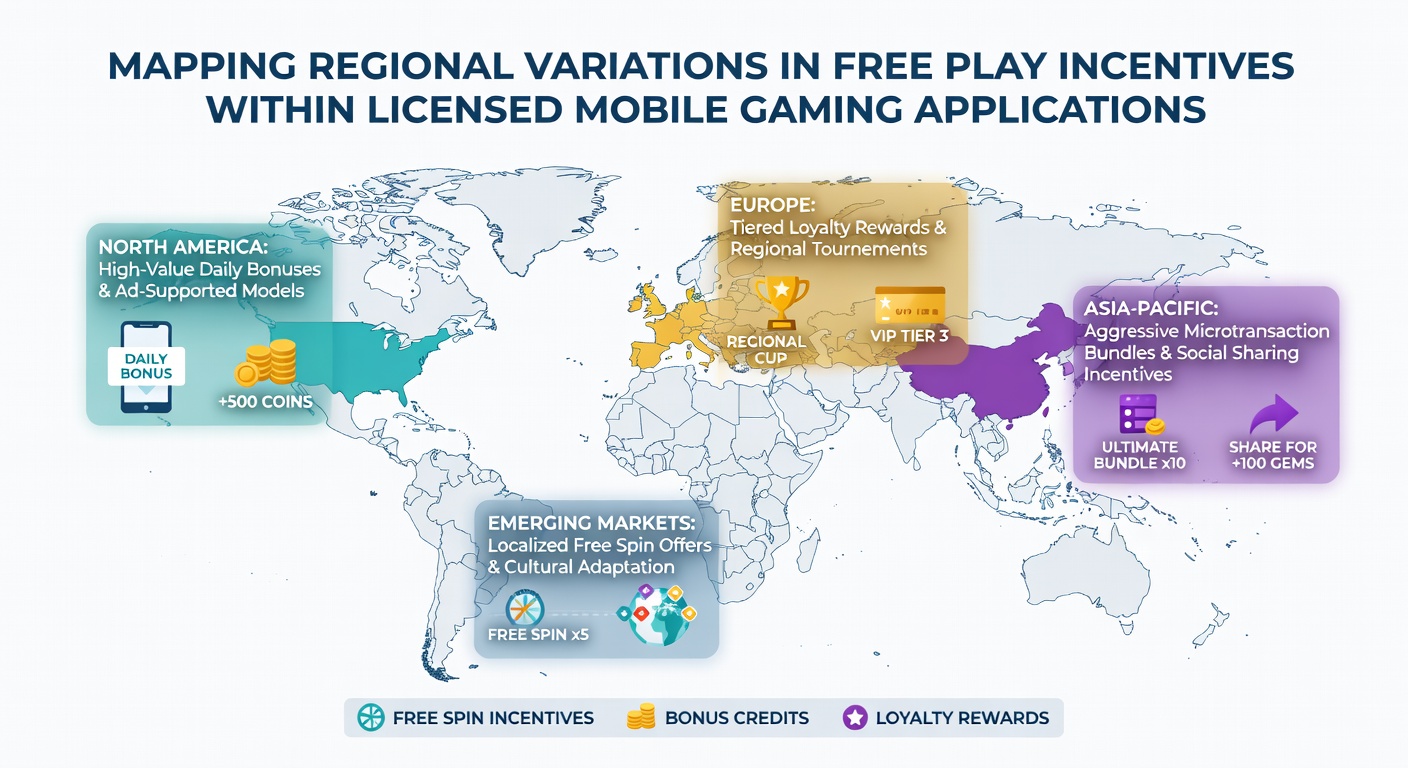
Asia-Pacific jurisdictions add further diversity. Australia maintains strict advertising rules that indirectly shape how operators present free play, often bundling it with responsible gaming messages. In contrast, several Southeast Asian markets that recently licensed mobile apps allow more flexible introductory offers. Academic papers examining these markets note that cultural attitudes toward gaming influence both the size of incentives and the frequency with which they appear in promotional calendars.
Data Collection and Measurement Approaches
Analysts compile regional maps by scraping publicly available promotional terms from licensed apps while respecting each jurisdiction's data access rules. Government agencies in several countries publish quarterly summaries that list average bonus values and redemption rates, providing raw material for comparative studies. One such dataset, released through an Australian regulatory portal, showed consistent seasonal spikes in free play offers during major sporting events, with magnitudes differing between states.
Those who study these variations emphasize that direct comparisons require accounting for currency fluctuations and purchasing power. When normalized for local economies, the apparent gaps between regions sometimes narrow, revealing that operators calibrate offers to maintain similar real-world value across borders. This calibration process explains why identical game titles can carry different incentive levels depending on the user's registered location.
Conclusion
Mapping exercises continue to evolve as new jurisdictions finalize mobile gaming rules and existing markets refine their oversight. The patterns documented so far demonstrate that free play incentives function as a direct extension of regulatory environments rather than purely commercial decisions. Continued monitoring through official channels and independent research will keep these geographic differences visible and quantifiable for operators and users alike.