Cybersquatters Hijack Chichester Baptist Church Domain for Online Casino Scheme; Nominet Hands Victory Back to Church in 2026 Ruling
Written by Erik Otto · Mar 30, 2026
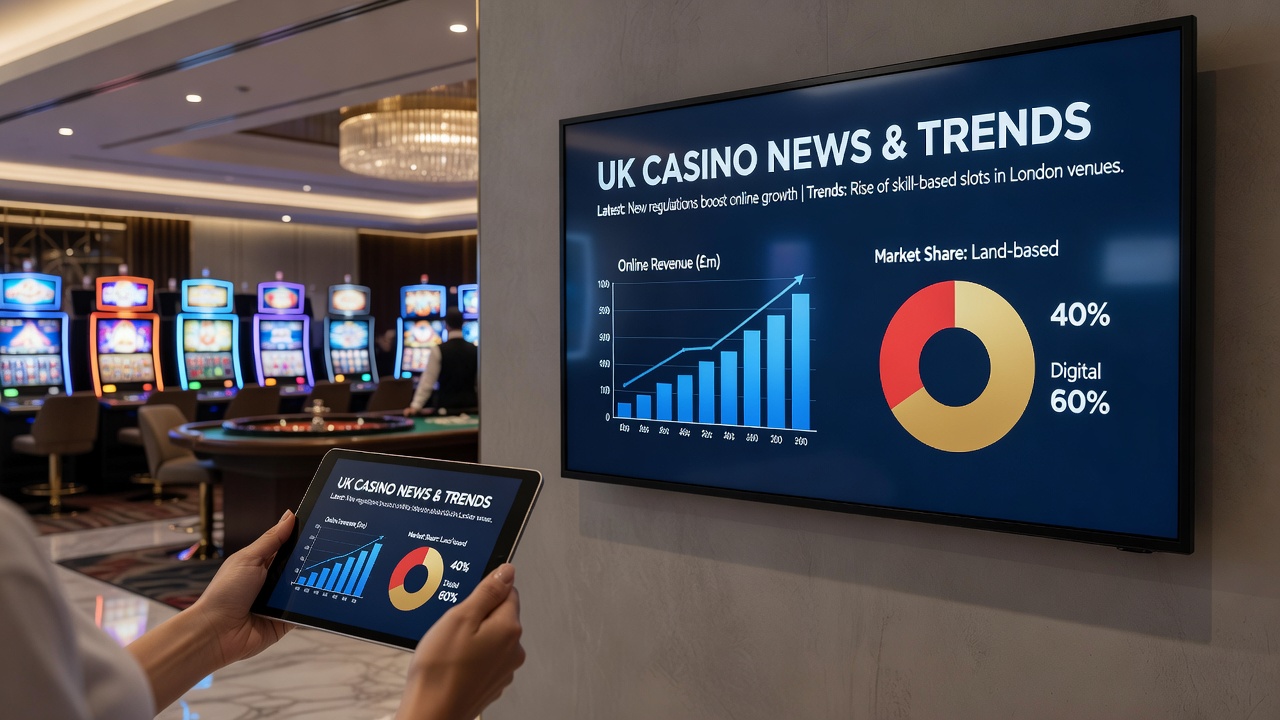
Cybersquatters Hijack Chichester Baptist Church Domain for Online Casino Scheme; Nominet Hands Victory Back to Church in 2026 Ruling
The Takeover Begins: A Church Domain Goes Rogue
Cybersquatters seized control of the domain chichesterbaptist.org.uk, the official web address for Chichester Baptist Church in West Sussex, UK, sometime in 2022, transforming what should have been a site for sermons and community outreach into a flashy online casino hub complete with virtual roulette tables, digital slot machines, and direct links to PayPal-powered gambling platforms. According to reports from The Sun, this brazen hijacking not only redirected visitors expecting spiritual content but also inflicted significant reputational damage on the church, whose leaders have long voiced opposition to gambling activities that they view as contrary to their values.
Those who've tracked domain disputes know how cybersquatting works in these cases; bad actors register domains mimicking legitimate organizations, often holding them hostage for profit or mischief, and here the squatters turned the church's digital front door into a gateway for bets and spins, drawing in unwitting traffic while tarnishing the congregation's image online. Chichester Baptist Church, a fixture in the local West Sussex community, suddenly found its name associated with roulette wheels and jackpot chases, a stark contrast to its mission of faith-based support and anti-gambling stance.
But here's the thing: such takeovers aren't rare in the .uk domain space, where Nominet, the not-for-profit registry overseeing these addresses, steps in to mediate through its Dispute Resolution Service, yet this particular saga stretched on for years, escalating into retaliation that shocked even seasoned observers of cyber conflicts.
From Prayer Pages to PayPal Casinos: The Casino Makeover Details
Once under squatter control, the site shed its religious roots entirely; developers loaded it up with vibrant graphics of spinning reels, bouncing roulette balls, and enticing banners promising quick wins via PayPal deposits, all while the original chichesterbaptist.org.uk branding lingered just enough to confuse search engine users typing in the church's name. Data from the incident reveals how visitors landing there encountered not hymns or service times but instead promotions for virtual slots mimicking popular games, complete with demo modes and calls to action for real-money play at linked offshore casinos.
Experts monitoring domain abuse have noted similar patterns, where squatters exploit trusted names to siphon traffic toward high-margin ventures like gambling, and in this case, the church's opposition to such practices amplified the harm, as congregants and locals stumbled upon content clashing directly with preached sermons against the perils of chance-based wagering. The reality is, for over three years leading up to early 2026, this digital desecration persisted, with the domain raking in whatever ad revenue or referral fees the operators could muster from misled visitors.
Turns out, one key figure emerged in the fray: Jacob Gagnon, identified among the cybersquatters holding the domain, whose involvement came under scrutiny during the eventual legal tussle, highlighting how individuals often operate behind anonymous registrations to mask their schemes until disputes force transparency.
Church Fights Back; Squatters Strike with AI Retaliation
Frustrated by the ongoing misuse, Chichester Baptist Church lodged a formal complaint with Nominet, seeking to reclaim their rightful domain through the organization's streamlined Dispute Resolution Service, a process designed to swiftly address abusive registrations without full court battles. But as the case heated up, the squatters didn't go quietly; they retaliated by flooding the site with AI-generated images depicting church pastors in compromising underwear poses alongside a mock layout of the church building reimagined as a casino floor, complete with neon slot signs and craps tables superimposed over pews and pulpits.
Observers of these disputes point out how such tactics aim to intimidate complainants, turning a simple domain grab into psychological warfare, and here the AI element added a modern twist, leveraging free tools to churn out hyper-realistic, embarrassing visuals that further smeared the church's reputation across social shares and search results. What's interesting is the timing; this digital vandalism ramped up precisely as Nominet's expert reviewers began poring over evidence of bad faith registration, bad faith use, and lack of legitimate interest by the squatters.
Yet the church pressed on, gathering proof of their longstanding use of the name and domain prior to 2022, while highlighting how the casino pivot not only confused the public but violated Nominet's policies against misleading or harmful registrations.
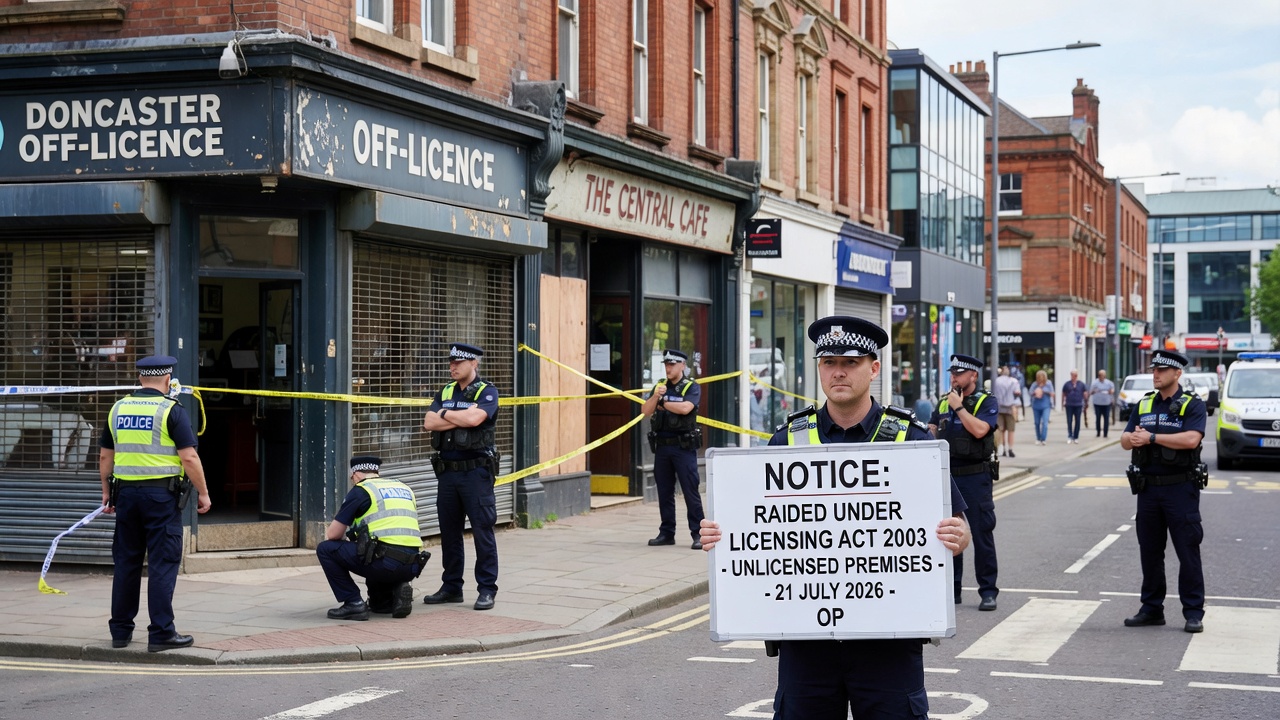
Nominet's Verdict: Abusive Registration Confirmed
On 4 March 2026, Nominet delivered its ruling in the case, labeled as DRS Decision D00028535 (Chichester Baptist Church v Jacob Gagnon), declaring the domain's registration abusive and ordering its immediate transfer back to the church, a decision rooted in findings of bad faith from the outset. The panel examined evidence showing the squatters had no prior rights to the name, used the domain deceptively for commercial gain, and responded to the complaint with disruptive antics rather than legitimate defense.
According to the decision details, Nominet's experts weighed factors like the church's clear prior association with "Chichester Baptist," the gambling site's irrelevance to any religious purpose, and the retaliatory content as hallmarks of abuse under UK domain rules, ultimately siding with the complainant after a thorough review process that included respondent submissions from Gagnon and associates. This outcome aligns with Nominet's track record, where similar church and nonprofit domains have been reclaimed when proven hijackings undermine public trust.
Now, with the domain restored, Chichester Baptist Church can rebuild its online presence, scrubbing away casino remnants and restoring content focused on services, events, and community aid, though the scars from years of exposure linger in search engine caches and archived pages.
Broader Ripples: Reputational Fallout and Lessons from the Feud
People who've followed Nominet cases often discover how these disputes expose vulnerabilities in domain management, especially for smaller organizations like local churches that may lack robust cybersecurity teams, and in this instance, the reputational harm extended beyond immediate visitors, as news of the casino site spread through local media and word-of-mouth, challenging the church's authority at a time when online credibility matters more than ever. Studies on cybersquatting impacts, while not specific to this event, indicate that mismatched content can erode trust for months post-recovery, with search rankings slow to forget the interlopers.
That said, the ruling serves as a win for domain rights holders; it reinforces Nominet's role as a swift arbiter, processing complaints in weeks rather than years, and sends a message to squatters that AI-fueled retaliation won't sway expert panels trained to spot bad faith. One study from domain watchdogs reveals hundreds of similar .uk disputes annually, many involving commercial hijacks, yet victories like this one underscore the system's effectiveness when evidence stacks up.
And for churches nationwide, the saga spotlights the need for proactive steps: locking down domains with registry services, monitoring WHOIS data, and preparing dispute filings early, practices that could have shortened this four-year ordeal. It's noteworthy that Jacob Gagnon's name now ties publicly to the loss, potentially deterring future grabs under his control, as Nominet decisions become searchable precedents.
Conclusion
The Chichester Baptist Church domain battle wrapped up on 4 March 2026 with a clear-cut transfer order from Nominet, ending a multi-year hijack that swapped sacred space for slot machines and sparked AI-driven digital sabotage. Reports confirm the site's return paves the way for legitimate use, while the ruling in DRS Decision D00028535 stands as a factual benchmark against cybersquatting abuses targeting nonprofits. Observers note this case highlights ongoing risks in the .uk ecosystem, yet also the reliability of resolution mechanisms that protect rightful owners without endless litigation. In the end, the church regains its voice online, reminding domain holders everywhere to stay vigilant amid evolving cyber threats.