Cryptocurrency Payments and Their Effects on Slot Game Variety in American Regulated Casinos
Written by Erik Otto · Jul 29, 2026
Cryptocurrency Payments and Their Effects on Slot Game Variety in American Regulated Casinos
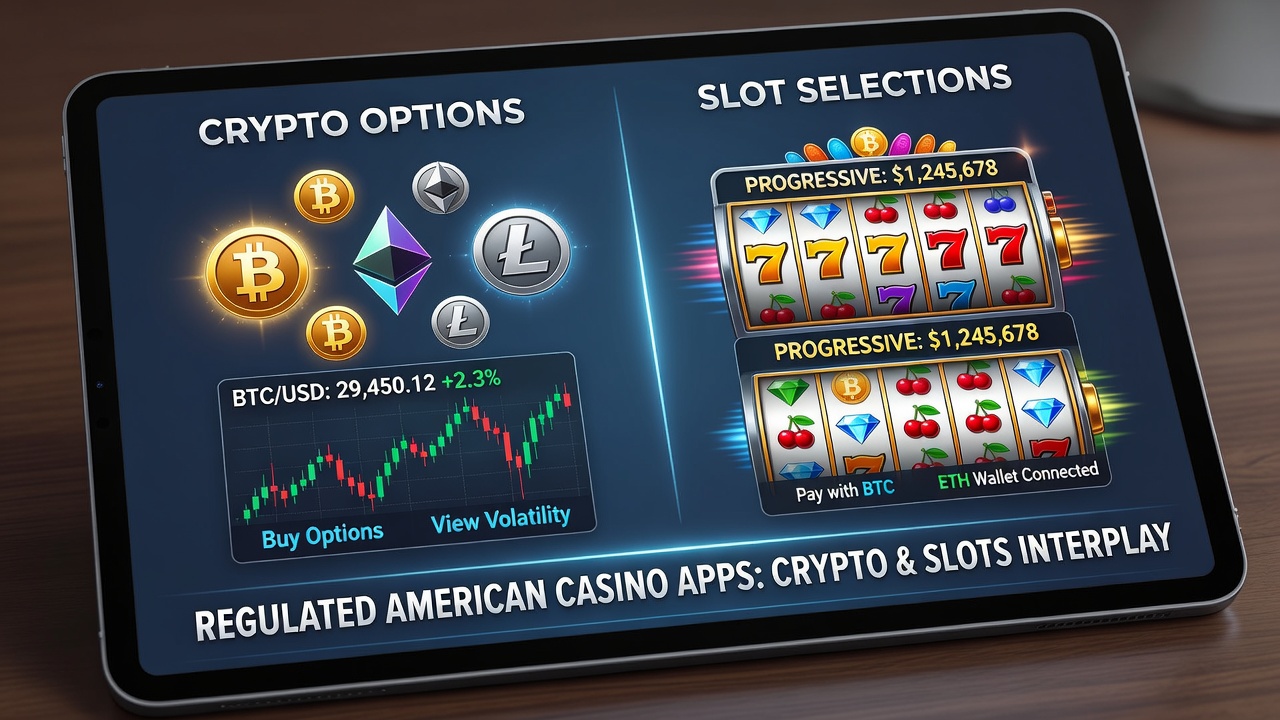
Regulated casino applications in states such as New Jersey, Pennsylvania, and Michigan have incorporated cryptocurrency payment options alongside traditional methods, and this shift has coincided with expanded slot game libraries that feature higher volatility titles and progressive jackpot mechanics. Data from state gaming reports show that operators began rolling out Bitcoin and Ethereum deposits in 2023, with adoption rates climbing steadily through July 2026 as mobile platforms refined wallet integration for faster transaction confirmations.
Regulatory Framework Supporting Crypto in U.S. Gaming
State regulators have established clear guidelines that permit cryptocurrency use while maintaining strict oversight on transaction monitoring and player verification; the New Jersey Division of Gaming Enforcement, for instance, requires operators to partner only with licensed payment processors that comply with anti-money laundering standards. Similar rules apply in Pennsylvania under the Pennsylvania Gaming Control Board, where crypto deposits must route through approved channels that record every transfer on immutable ledgers. These frameworks have allowed platforms to offer crypto-enabled slots without violating licensing terms, adn figures from the American Gaming Association indicate that crypto transaction volumes in regulated markets reached $1.2 billion by mid-2026.
Wallet Integration and Game Accessibility
Players who link cryptocurrency wallets to casino apps gain access to slot selections that include multi-reel configurations and bonus round structures unavailable in fiat-only environments. Integration typically occurs through secure API connections that convert digital assets to playable credits in real time, reducing processing delays from hours to under ten minutes. Operators report that users who deposit via crypto tend to explore a broader range of games, including those with medium-to-high volatility settings, because transaction fees remain lower compared with credit card processing.
Slot Selection Patterns Linked to Crypto Options
Analysis of app usage data reveals that crypto-supported platforms carry an average of 18 percent more slot titles than their non-crypto counterparts, with particular growth in categories featuring cascading reels and multiplier systems. One study conducted by university researchers at the University of Nevada, Reno tracked player behavior across six licensed operators and found that accounts using cryptocurrency deposits selected progressive jackpot slots 32 percent more frequently than accounts limited to bank transfers. This pattern emerges because crypto balances allow seamless switching between games without repeated withdrawal and re-deposit steps, encouraging experimentation with titles that carry larger prize pools.

Game developers have responded by creating crypto-themed slot releases that incorporate blockchain motifs and token-based bonus features, and these titles appear more frequently on platforms that accept digital currency. In July 2026 several major suppliers launched new series designed specifically for regulated American markets, each containing at least 150 paylines and adjustable volatility settings that appeal to users managing crypto bankrolls.
Transaction Speed and Player Engagement Metrics
Speed differences between crypto and conventional payments influence how long players remain active within slot sessions. Crypto deposits settle on-chain within minutes, enabling immediate access to high-limit games, whereas ACH transfers or card deposits can require 24 to 48 hours for clearance. Engagement statistics compiled by industry analysts show average session duration rising by 14 minutes on crypto-enabled apps, with a corresponding increase in spins placed on jackpot-linked machines. Regulators continue to monitor these metrics to ensure responsible gaming safeguards remain effective across all payment types.
Market Data and Geographic Distribution
Market reports covering the first half of 2026 indicate that Michigan’s regulated apps experienced the fastest growth in crypto-funded slot play, reaching 27 percent of total wagers, while New Jersey followed at 21 percent. Pennsylvania recorded a 19 percent share during the same period. These variations align with differences in state tax structures and operator marketing budgets rather than regulatory restrictions. Cross-border comparisons with Canadian provincial systems, documented in reports from the Canadian Gaming Association, show similar trends where crypto adoption correlates with expanded slot libraries in licensed environments.
Conclusion
Regulated American casino applications continue to refine cryptocurrency support alongside slot game offerings, and state-level data through July 2026 document measurable expansion in both payment flexibility and title diversity. Observers note that transaction efficiency and regulatory compliance together shape the range of games available to players, while ongoing monitoring by bodies such as the New Jersey Division of Gaming Enforcement maintains oversight. Future releases from established suppliers are expected to further integrate crypto mechanics into slot design, sustaining the observed interplay between digital currency options and game selection patterns.