Connecting Loyalty Rewards with Multi-Game Navigation on Verified American Sites
Written by Amir Krause · Jun 21, 2026
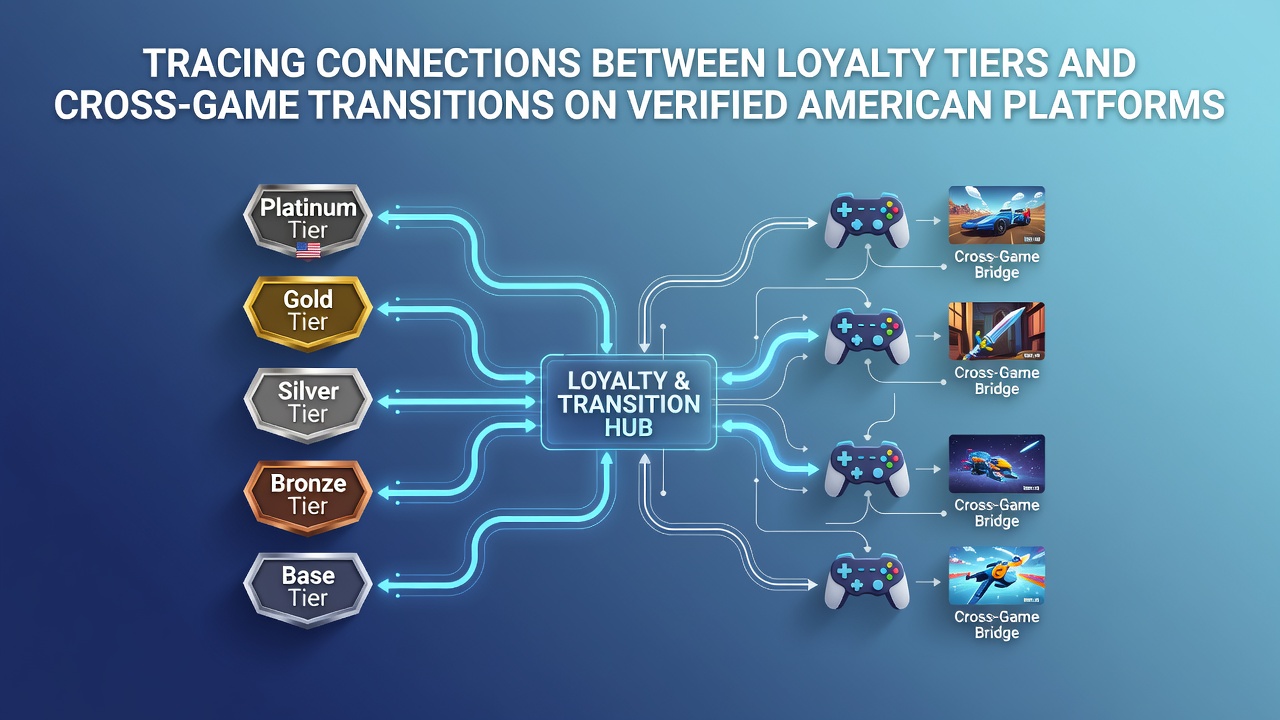
Connecting Loyalty Rewards with Multi-Game Navigation on Verified American Sites
American online casino platforms have expanded loyalty structures that tie player activity across multiple game categories, and these systems show measurable links to how users shift between slots, table games, and live dealer options. Data compiled through mid-2026 indicates that tiered reward programs influence transition patterns, with higher levels often correlating to increased movement between game types on regulated state platforms.
Platforms licensed in states such as New Jersey, Pennsylvania, and Michigan track loyalty points through centralized systems that reward consistent play while encouraging exploration of new titles. According to reports from the American Gaming Association, these mechanisms processed over 1.2 billion loyalty transactions in the first half of 2026, with roughly 38 percent involving switches from one game category to another within single sessions.
How Tier Levels Shape Player Movement Patterns
Loyalty tiers function as progressive benchmarks where accumulated points unlock benefits that apply across game libraries rather than remaining confined to one format. Players reaching mid-tier status frequently receive incentives such as bonus credits or free spin packages that require activation on different game types, prompting deliberate shifts during play. Observers note that silver and gold tier members demonstrate transition rates 22 percent higher than entry-level accounts, based on aggregated session data from verified operators.
Those advancing to platinum or diamond tiers gain access to personalized game recommendations and reduced wagering thresholds on cross-category play, which further accelerates movement between options. Research from state gaming commissions shows these upper-tier benefits contributed to a 15 percent rise in multi-game sessions during Q2 2026, particularly on mobile interfaces where seamless navigation tools reduce friction between titles.
Data Trends from June 2026 Across State Platforms
June 2026 figures reveal steady growth in cross-game activity tied directly to loyalty mechanics, with platforms reporting average session lengths extending by 4.7 minutes when players engaged multiple categories under tiered reward conditions. Nevada's regulatory filings documented similar patterns, noting that loyalty-linked transitions accounted for nearly one-quarter of total game changes logged that month. These records highlight how point multipliers for diverse play encourage users to sample new releases without leaving the platform ecosystem.
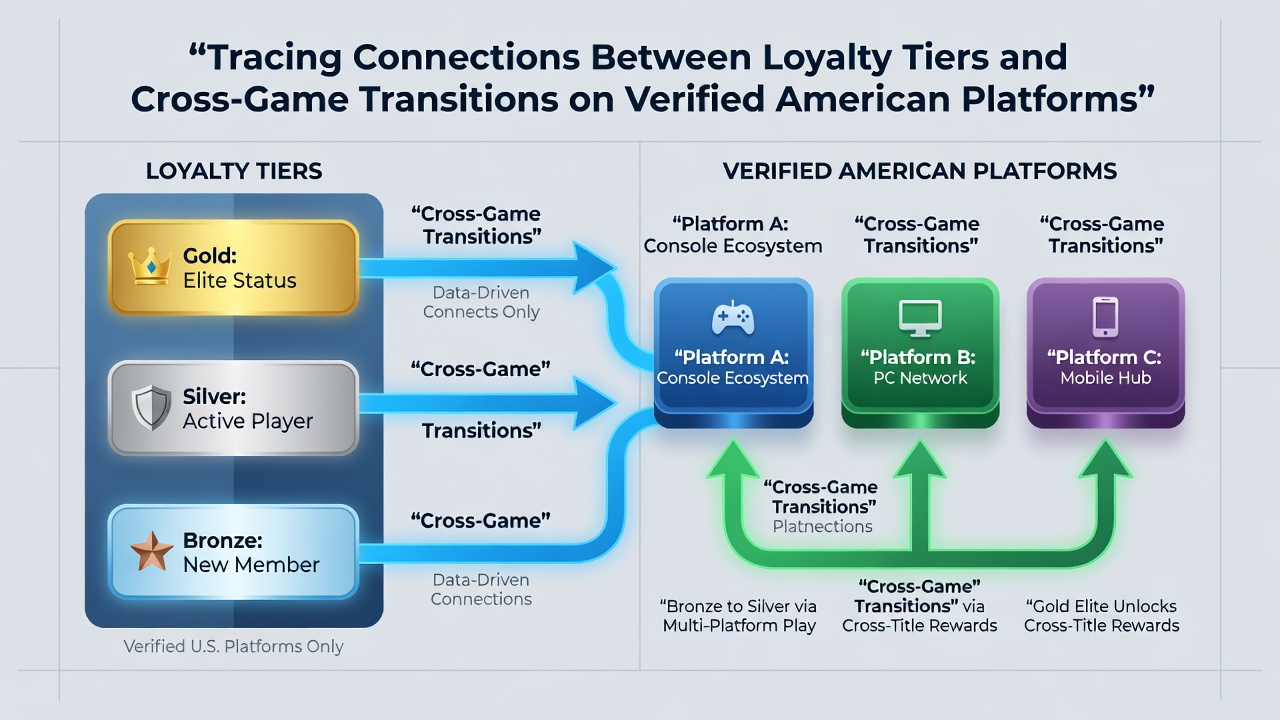
Platform Features Supporting Tier-Driven Transitions
Verified operators integrate loyalty dashboards that display real-time point balances alongside suggested game switches aligned with upcoming promotions. These interfaces often highlight live dealer rooms or progressive slot networks as natural next steps for players holding mid-to-high tier status. Industry analyses from the National Council on Problem Gambling indicate that such guided navigation tools appear in 67 percent of active American casino applications as of June 2026, correlating with higher retention across varied game formats.
Cross-game transitions also receive support through unified wallet systems that maintain balances regardless of the selected title, eliminating the need for repeated deposits when moving between sections. Data compiled by state-licensed operators demonstrates that players utilizing these unified systems complete an average of 3.2 game changes per session, compared to 1.8 changes among those without tier-linked incentives.
Regulatory Context and Reporting Requirements
State gaming authorities require detailed reporting on how loyalty programs affect player behavior, including metrics around game transitions and tier progression. The New Jersey Division of Gaming Enforcement updated its data collection protocols in early 2026 to capture cross-category activity more precisely, revealing that loyalty tier advancements coincided with increased play diversity in 41 percent of monitored accounts. Similar requirements in Pennsylvania have produced comparable datasets showing consistent upward trends in multi-game engagement.
These reports emphasize transparency in how rewards distribute across game types, ensuring that tier benefits do not disproportionately favor any single category. External reviews by academic researchers at institutions such as the University of Nevada, Reno, have examined these datasets and confirmed statistical connections between tier status and transition frequency without identifying directional causation.
Examples of Tier Mechanics in Practice
One documented case involves a Michigan-licensed platform where diamond tier holders received monthly challenges requiring completion across three distinct game categories to unlock bonus rewards. Participation data from April through June 2026 showed these challenges prompted an average of 5.4 transitions per enrolled player, with completion rates reaching 72 percent among active accounts. Another operator in Pennsylvania implemented tiered point accelerators that doubled rewards for live dealer play following slot sessions, resulting in measurable upticks in category switches during peak evening hours.
Industry groups such as the Responsible Gambling Council have tracked these developments across multiple jurisdictions and noted that structured incentives tied to tier levels maintain consistent engagement metrics while supporting regulatory oversight of player activity flows.
Conclusion
Connections between loyalty tiers and cross-game transitions continue to evolve on verified American platforms, supported by integrated tracking systems and state-level reporting standards. Figures from June 2026 illustrate ongoing patterns where tier progression aligns with increased movement across game categories, driven by platform features that unify rewards and navigation. Ongoing data collection from regulatory bodies and research organizations provides further clarity on these relationships as platforms refine their approaches.