Boundaries at Play: How State Lines Shape Live Dealer Reward Claim Windows in Mobile Apps
Written by Anna Baumann · Jun 28, 2026
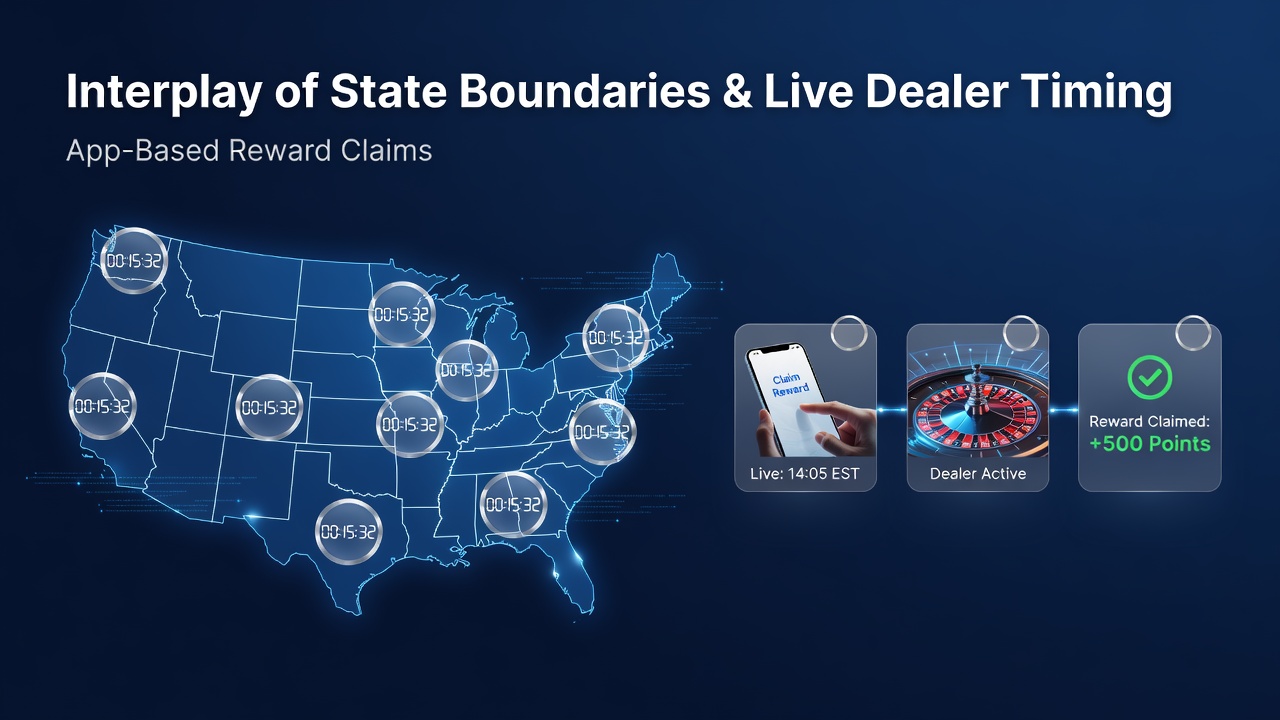
Boundaries at Play: How State Lines Shape Live Dealer Reward Claim Windows in Mobile Apps
State boundaries create distinct regulatory zones that directly affect when users can claim rewards tied to live dealer sessions in app-based platforms, and these zones operate independently because each state maintains its own licensing framework for online gaming activities. App developers must integrate geolocation verification at multiple checkpoints during a session, which means a player who starts a live dealer game in one jurisdiction may lose eligibility for associated bonuses if they cross into another state before the claim window opens. Live dealer timing adds another layer since tables follow scheduled shifts that align with specific time zones, and reward systems often lock claims to the exact moment a qualifying hand or round concludes.
Geofencing Mechanics and Their Impact on Claim Eligibility
Geofencing technology enforces these boundaries by cross-referencing device GPS data against approved state lists, while operators update their databases whenever new legislation takes effect or existing rules expand. In practice this creates narrow claim periods that users must navigate carefully, especially when live dealer rounds finish near the end of a shift and the system processes rewards during a subsequent verification cycle. Data from multiple state regulators shows that failed claims frequently trace back to location mismatches that occur within minutes of a session ending, rather than to any issue with the gameplay itself.
Operators respond by displaying real-time boundary alerts inside the app interface, yet these notifications still leave room for timing conflicts when players move between states during peak hours. One study from a major research institution tracked user sessions across several months and found that boundary-related claim denials clustered around evening dealer changes, when tables transition between shifts and reward queues process simultaneously.
Live Dealer Schedules Intersecting with Jurisdictional Rules
Live dealer operations run on fixed broadcast schedules that rarely adjust for individual player locations, which means a table hosted from a licensed facility in one state may serve users across multiple borders at once. Reward claims attached to those tables activate only after the round settles and the app confirms the player's position remains inside an approved area, so a user who relocates during the dealer changeover often sees the claim button gray out. Pennsylvania's gaming oversight body, for instance, requires continuous location checks throughout the session, while neighboring states apply different verification intervals that can create mismatches when players switch apps or devices mid-round.
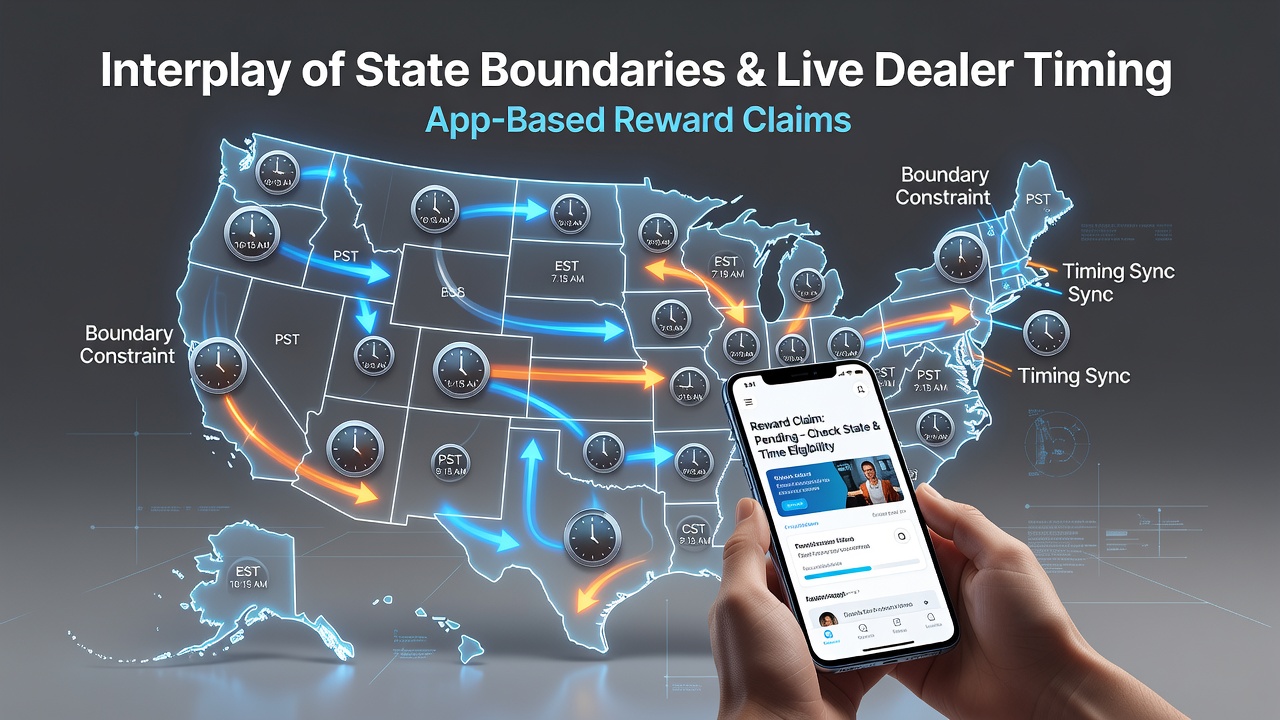
June 2026 brought expanded testing in several northeastern states where regulators allowed limited cross-border play during designated trial periods, yet these trials still required apps to freeze reward processing the instant a device left the originating state's footprint. Observers note that the added compliance steps lengthened the average time between round completion and reward availability, particularly for users near state lines who experience frequent signal fluctuations. Industry reports from the European Gaming and Betting Association highlight similar challenges in regions with fragmented licensing, where timing protocols must reconcile multiple sets of operating hours.
Technical Adjustments Operators Make to Handle Boundary Shifts
App teams implement buffer zones around state borders that trigger additional checks before rewards finalize, and these buffers reduce accidental claims while also narrowing the usable window for legitimate users who travel frequently. Database logs reveal that successful claims cluster during periods when live dealer tables remain active within a single time zone and players stay stationary, whereas denials rise sharply near midnight transitions when multiple states reset their daily compliance counters. Developers continue to refine algorithms that predict movement patterns based on historical GPS data, allowing the system to prompt users earlier in the session about potential boundary risks.
Academic analyses of mobile gaming data further indicate that reward timing accuracy improves when apps combine satellite positioning with Wi-Fi network verification, although this dual approach consumes more device resources and can slow the overall claim process. Those who've examined session records across regulated markets find that the most reliable claims occur when players remain within the same state from login through reward distribution, eliminating any need for mid-session re-verification.
Future Developments in Cross-State Reward Handling
Regulatory bodies continue to explore unified timing standards that could ease some friction, yet each state retains final authority over its own licensing conditions and may adopt or reject proposed changes independently. As more states authorize online offerings, the number of overlapping claim windows grows, requiring apps to maintain increasingly complex calendars that account for every participating jurisdiction's dealer schedules and reward rules. Users who track these variables through built-in app tools report fewer interruptions, though the underlying boundary mechanics remain unchanged.
Conclusion
The interaction between state boundaries and live dealer timing produces a system where reward claims succeed only when location, schedule, and verification cycles align precisely. Operators adjust their platforms continuously to meet these requirements, while regulators monitor outcomes through session data and compliance reports. As additional states implement or expand frameworks, the technical demands on app-based reward systems will likely increase, yet the core principle stays consistent: eligibility depends on remaining inside the correct jurisdiction at the exact moment a claim becomes active.